Guided walkthrough
Pick one thing. See everything behind it.
Not a wall of facts. One product, one guided walkthrough, one step at a time — with photographs of the real equipment and the sources to check them.
-
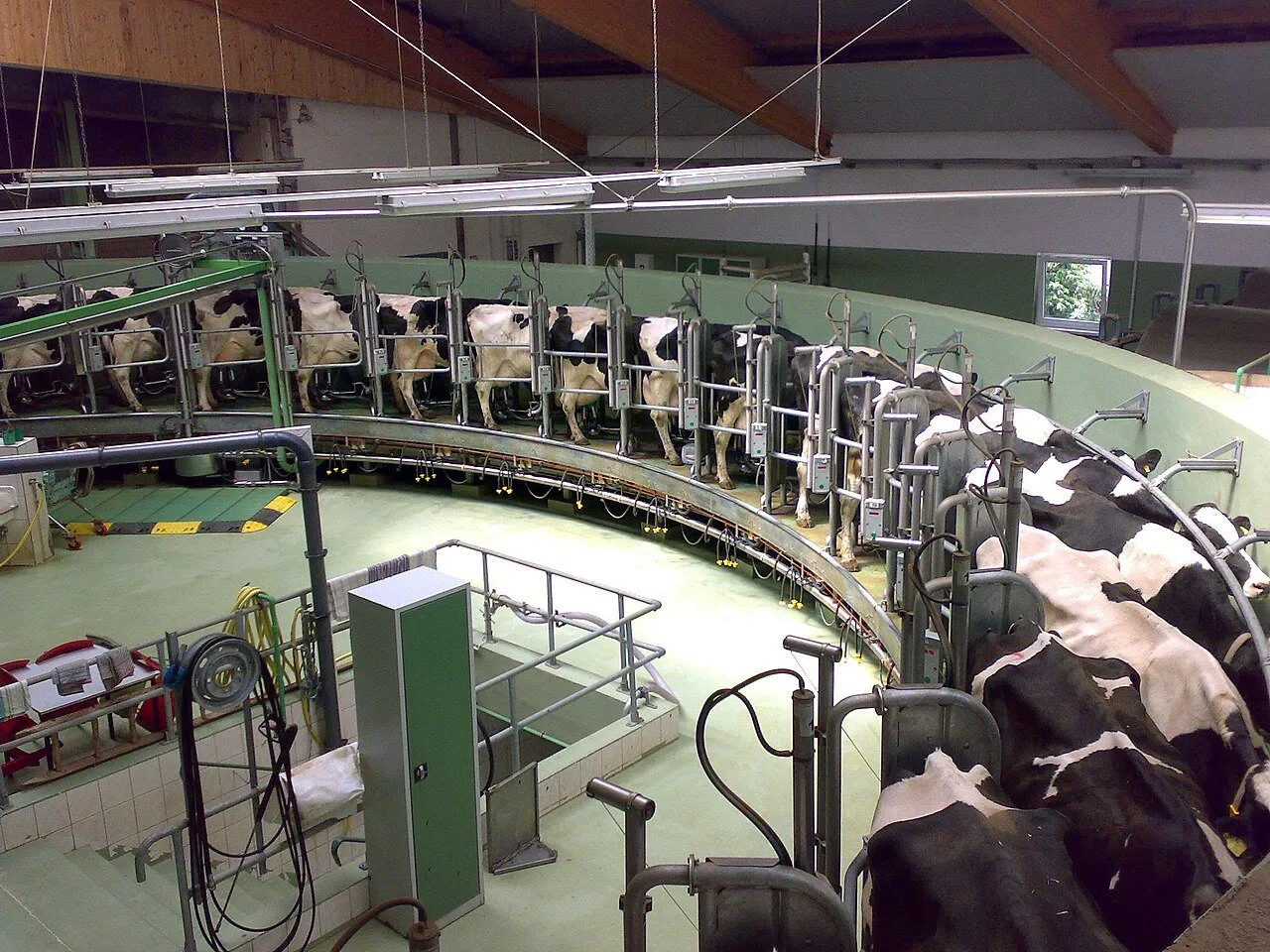
A glass of milk
Milk is made by a mother for her calf. To sell it, the calf has to be taken away.
Six steps between a scheduled conception and a milking carousel.
-
Cheese
Cheese takes roughly ten times its weight in milk. It is the same cycle, run ten times over.
Six steps between a scheduled conception and a milking carousel.
-
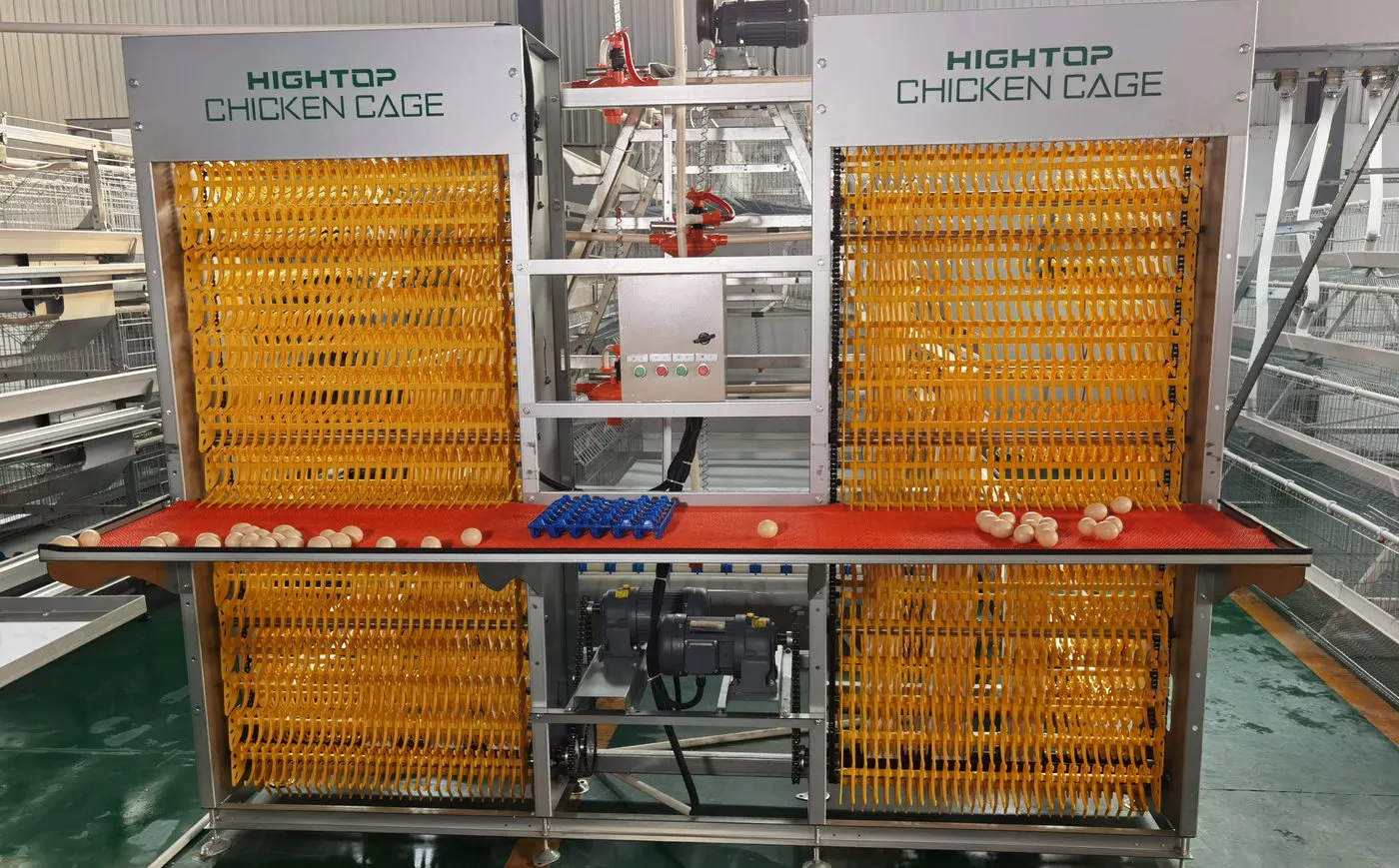
Eggs
Half the chicks hatched into an egg line are killed on their first day. They are male, so they cannot lay.
Three steps: the hatchery, the beak, the cage.
-
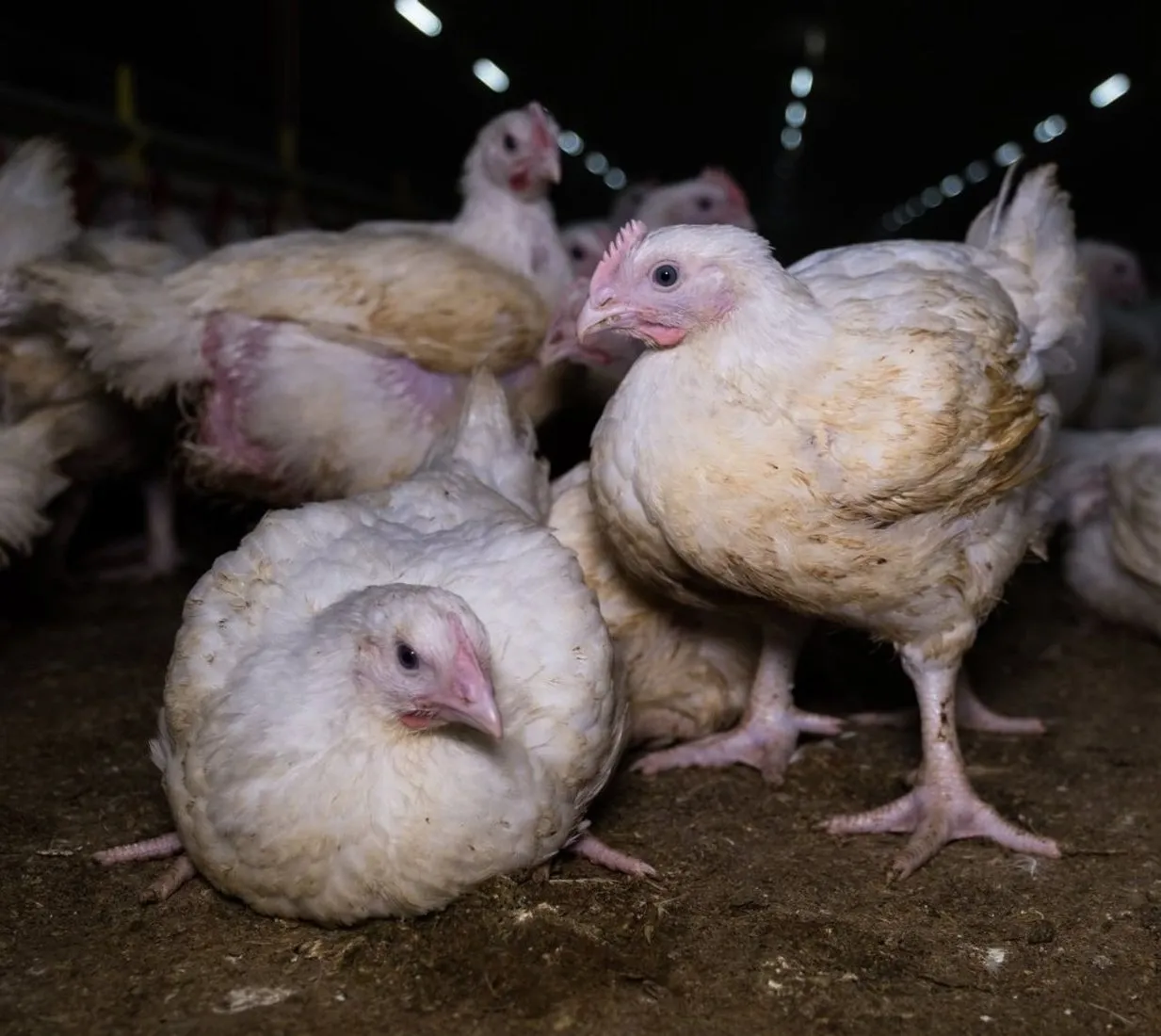
Chicken
The bird on the plate was a few weeks old. It was bred to grow so fast that its own legs and heart struggle to keep up.
The body is engineered first; the machinery downstream only has to keep up.
-
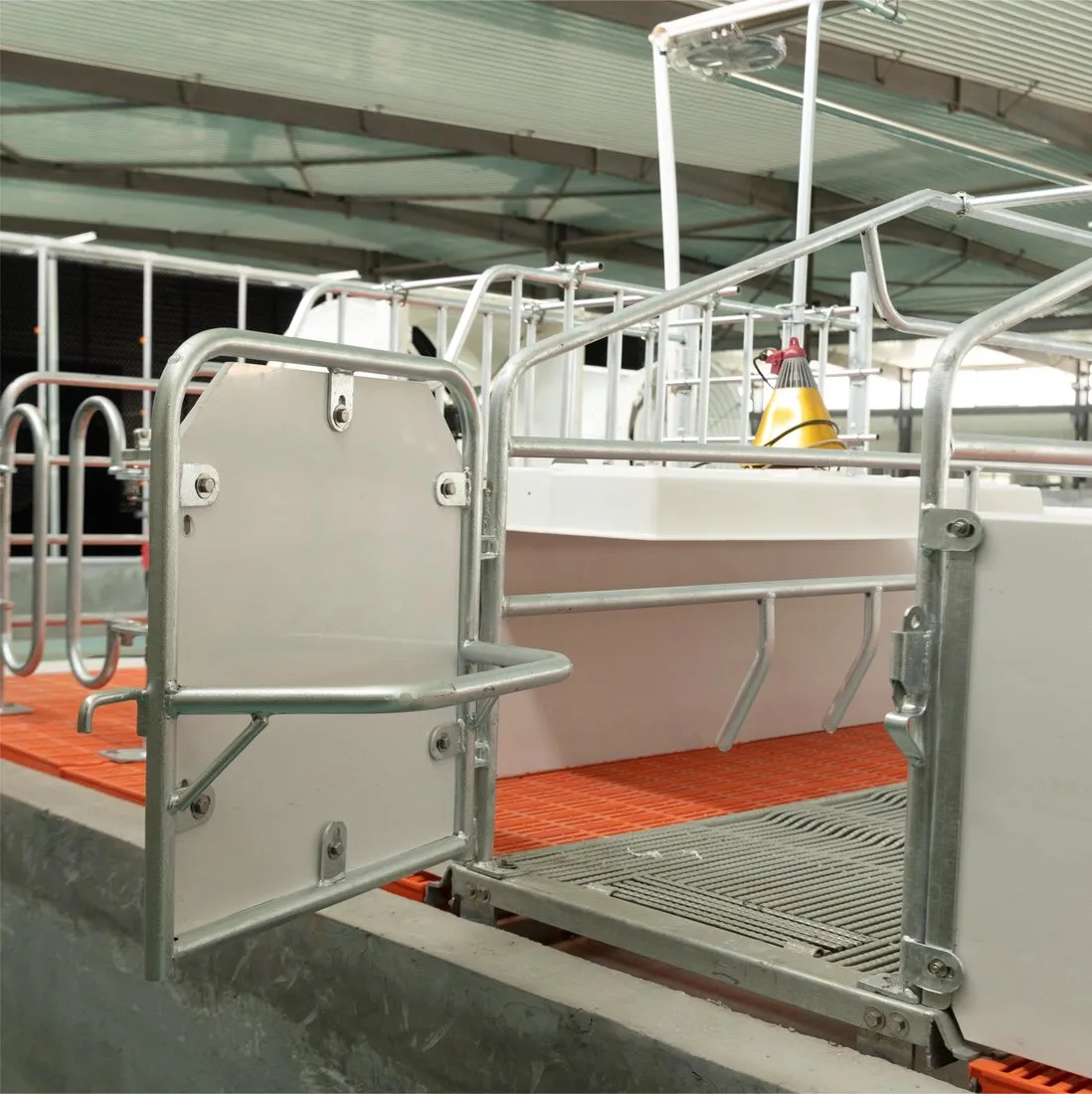
Bacon
His mother spent much of her pregnancy in a stall she could not turn around in.
Six steps that make a sow's body predictable and her litter uniform.
-
Pork & ham
Every cut comes out of a cycle built around confining a mother and standardising what happens to her litter.
Six steps that make a sow's body predictable and her litter uniform.
-
Steak & beef
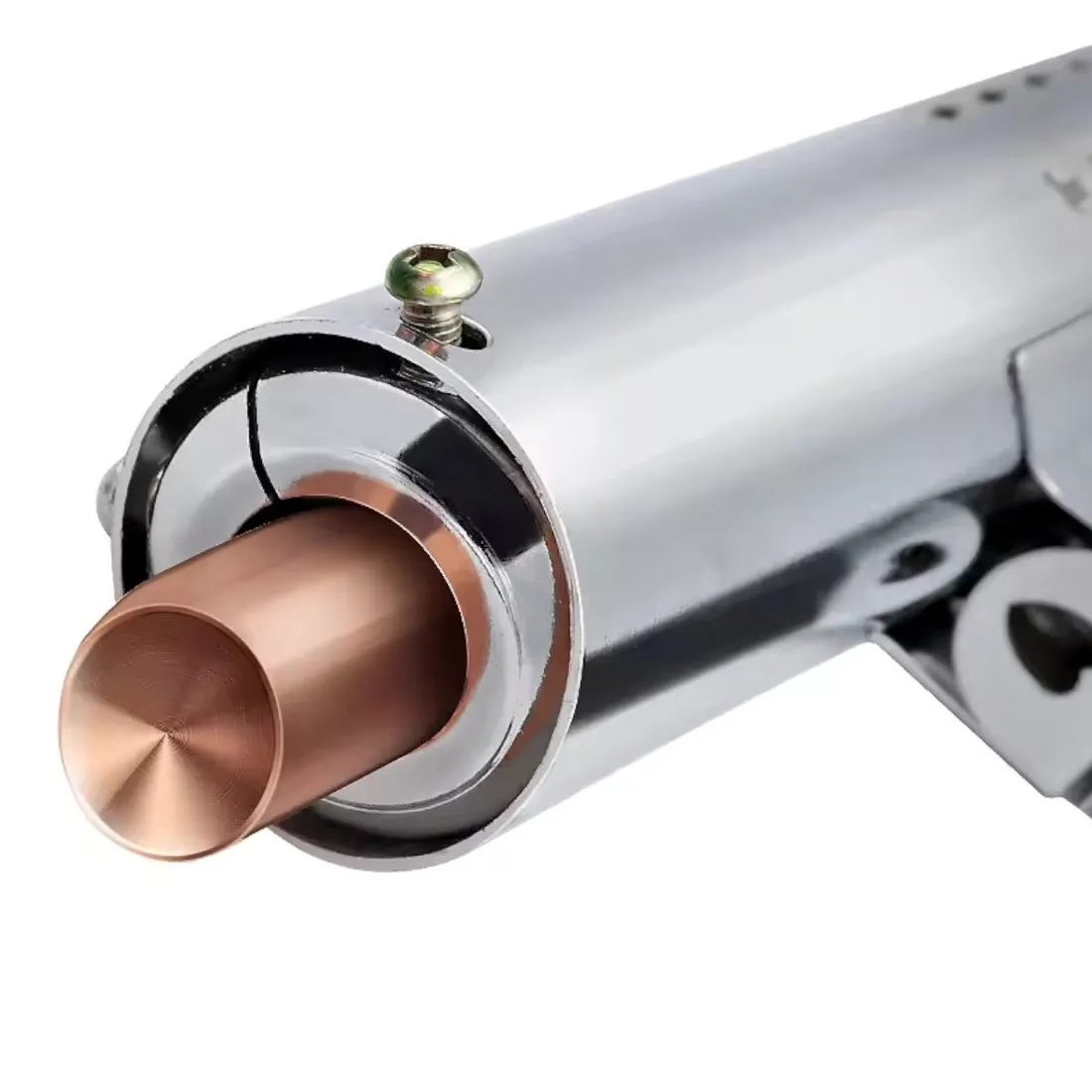
Before the meat there is a tag punched through an ear, a hot iron, a truck, a restraint box, and a bolt fired into the skull.
Identification, alteration, control, restraint, and then the bolt.
-
Burger
Minced beef hides the animal completely. The pathway behind it is the same one.
Identification, alteration, control, restraint, and then the bolt.
-
Lamb
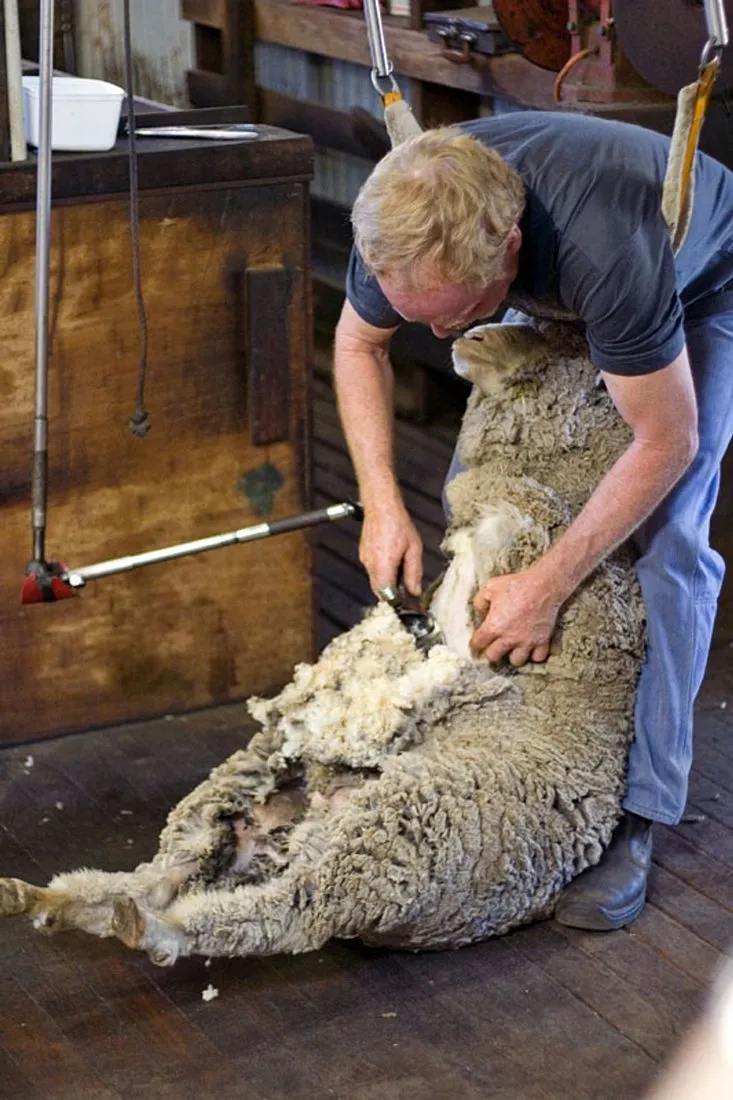
Lamb means a young animal. The youth is the product.
What a sheep is handled for, from the first rubber ring to the last journey.
-
Farmed salmon
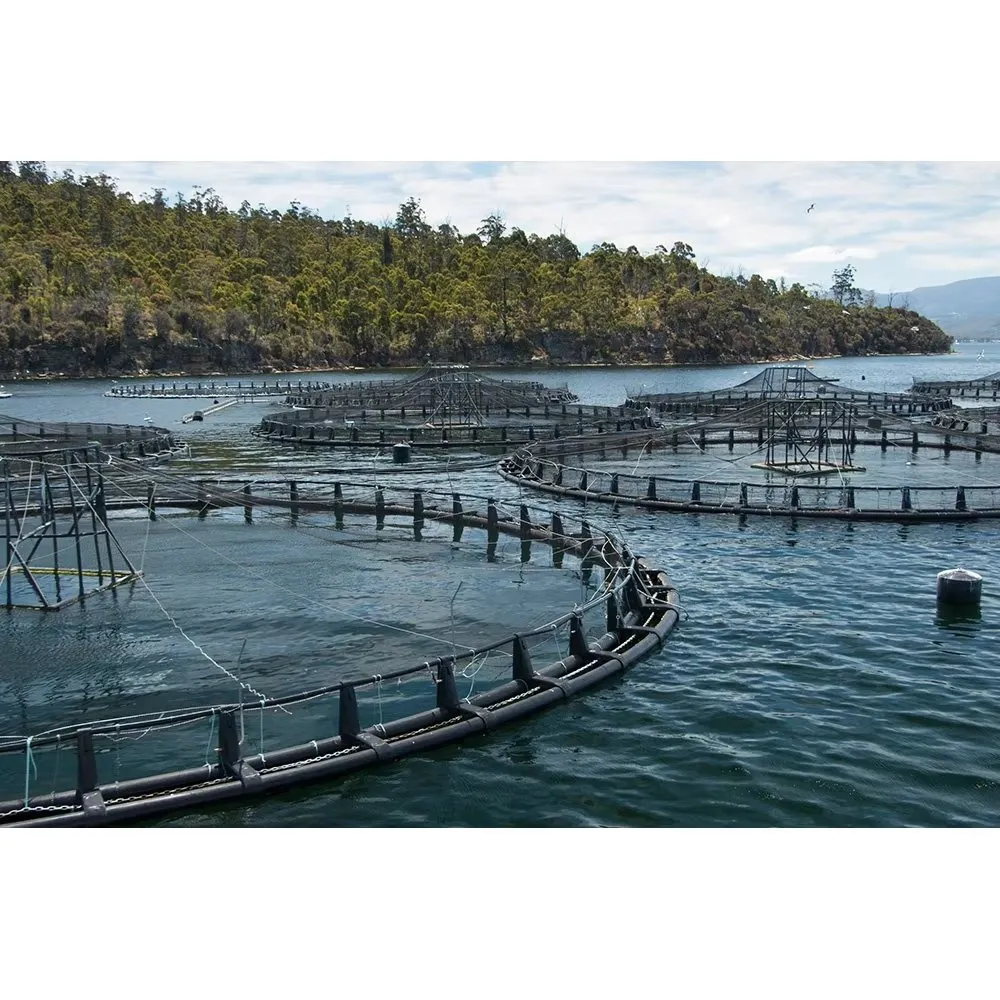
It spent its whole life inside a net, in a crowd, in water it could not leave.
What a net in open water actually decides about a fish's life.
-
Tuna & sushi
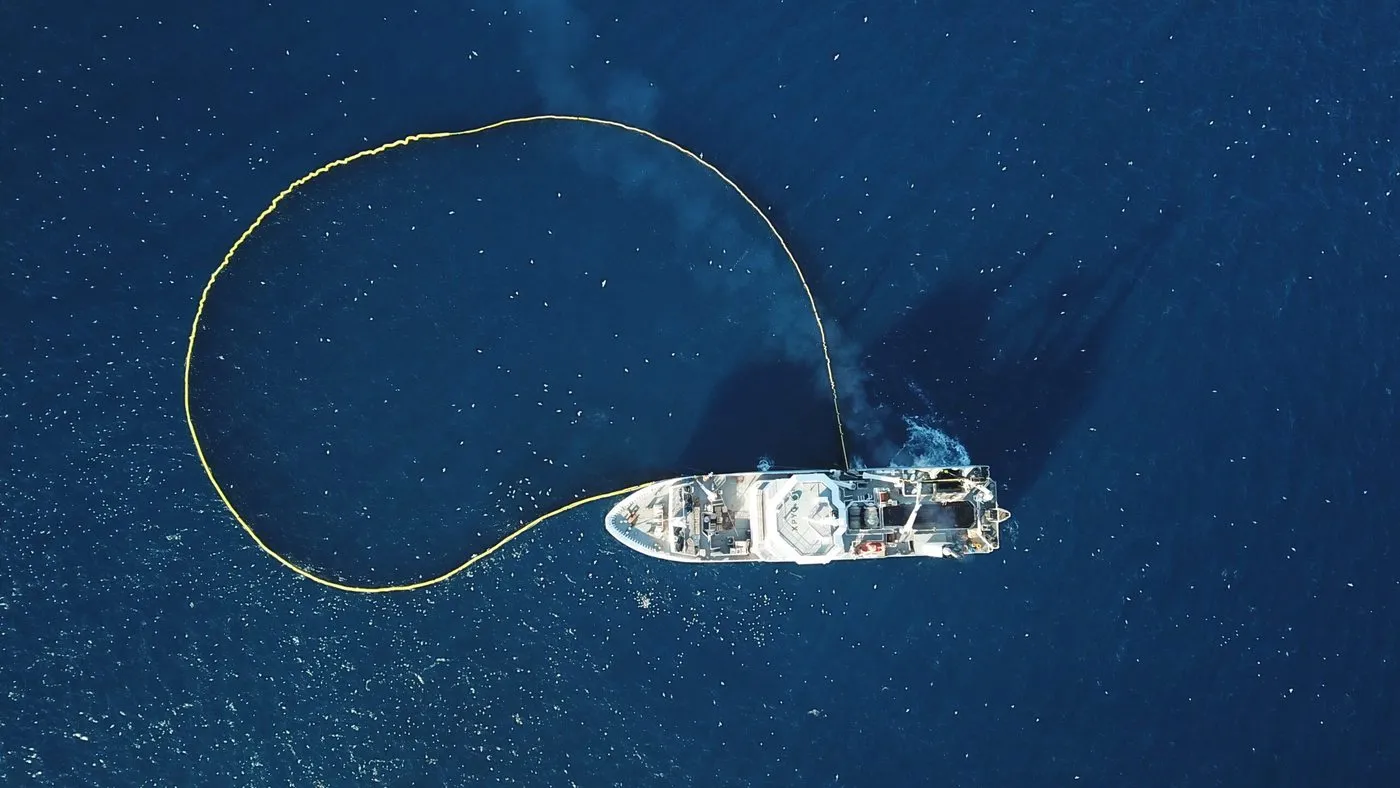
A single net can encircle an area the size of several stadiums, take everything inside it, and sort out what sells afterwards.
Three gear types, three different ways of taking animals out of the sea.
-
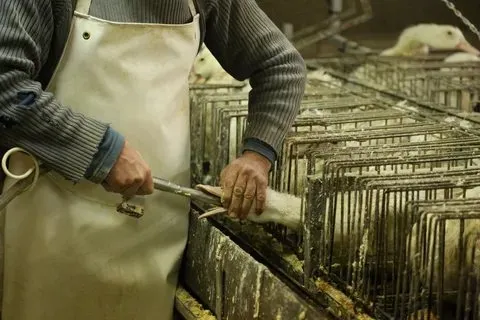
Foie gras
The name means fatty liver. It is produced by pushing a tube down a bird's throat until the organ swells.
The restraint, the tube, and the repetition that does the work.
-
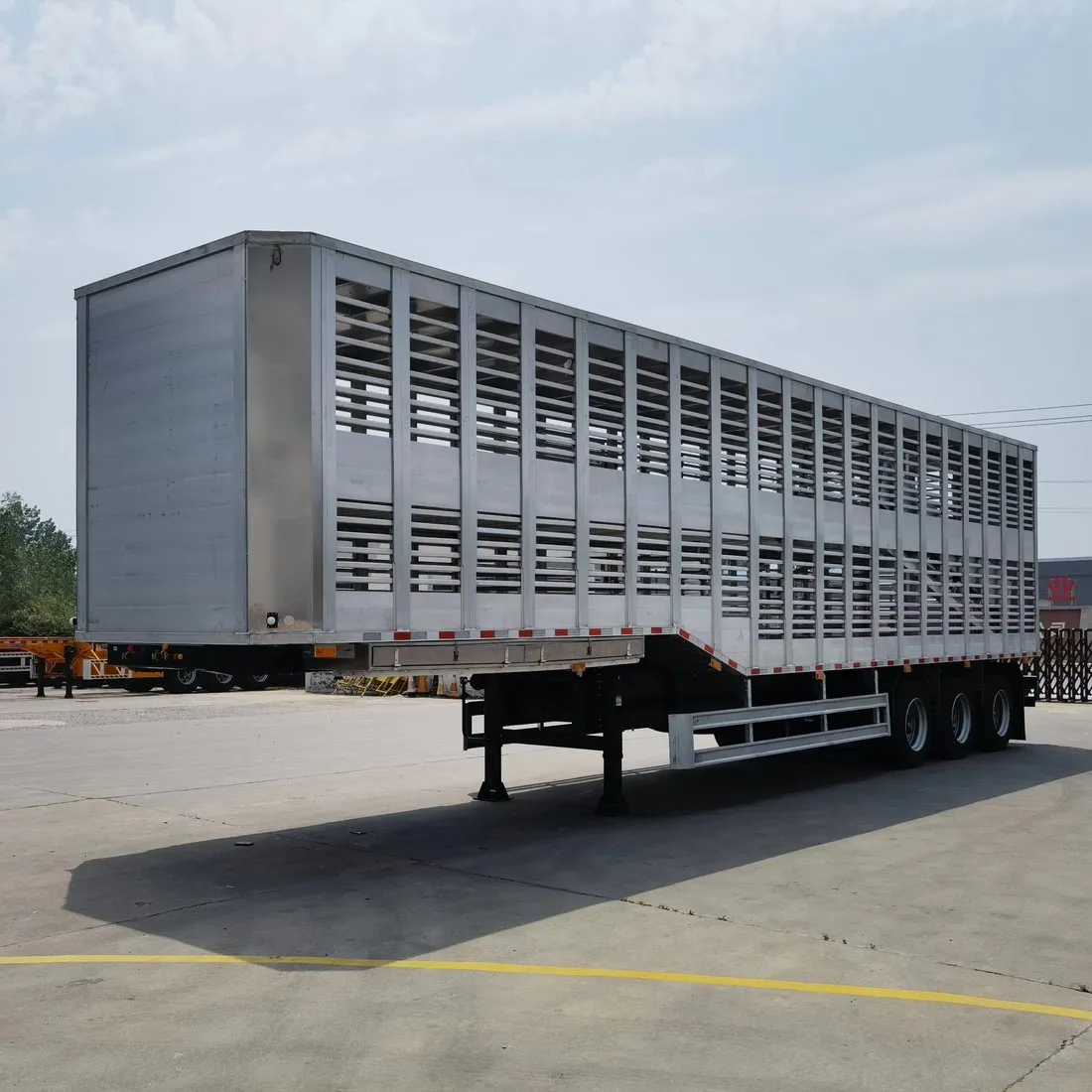
Any meat: the last stretch
Whatever the species, the end of the process is the same shape: a truck, a race, a restraint box, a bolt.
The last pathway, where every other one arrives.
-
Wool
Modern wool breeds cannot shed their fleece — they were bred that way, and the same system that shears them also cuts and docks them.
What a sheep is handled for, from the first rubber ring to the last journey.
-
Leather
Leather is not a leftover. It is a second product sold from the same animal, and it helps pay for the first.
Identification, alteration, control, restraint, and then the bolt.
-
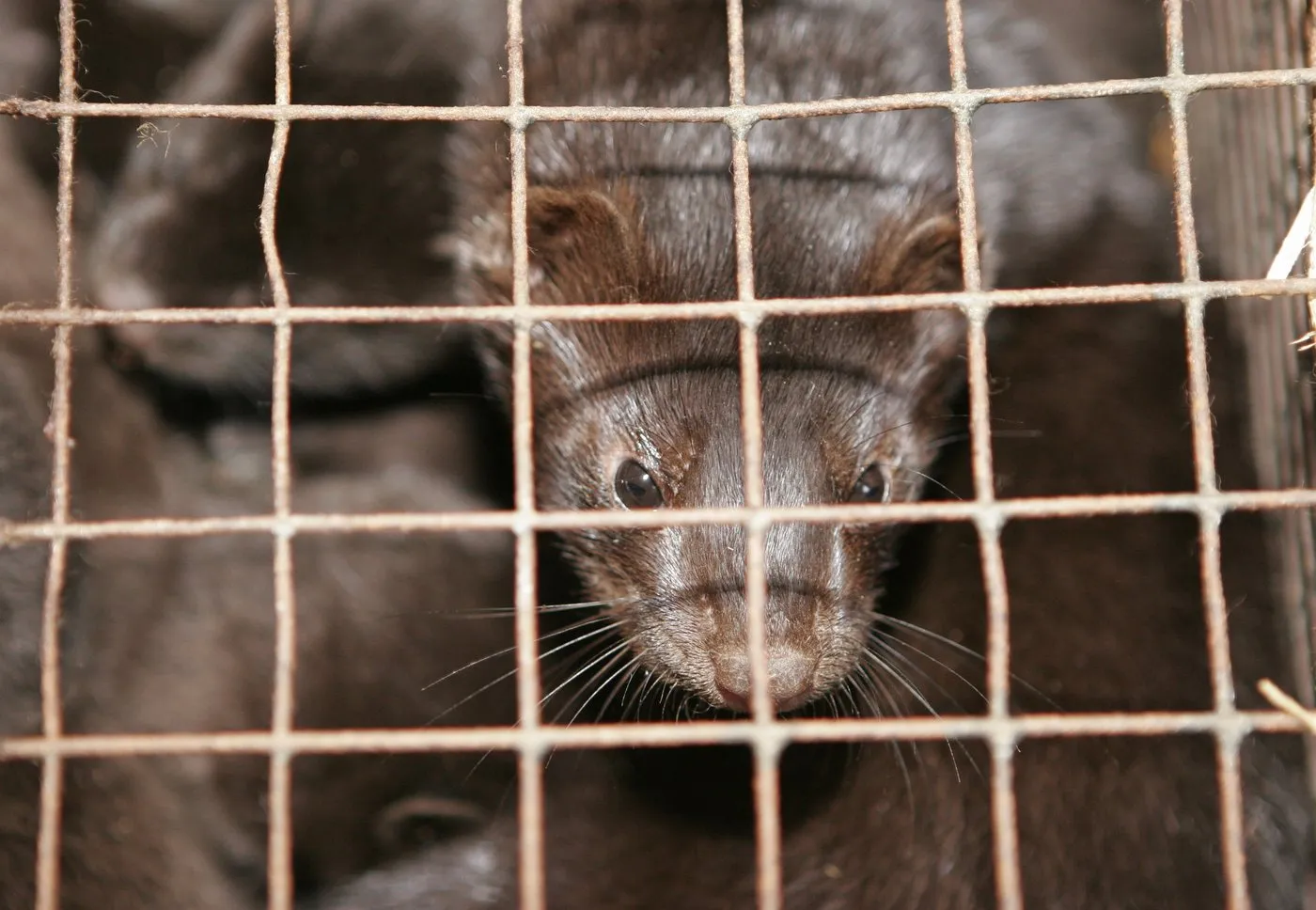
Fur
A mink on a fur farm lives its entire life in a wire cage roughly the size of a filing drawer.
Two routes to a pelt, damaging the animal in opposite ways.
-
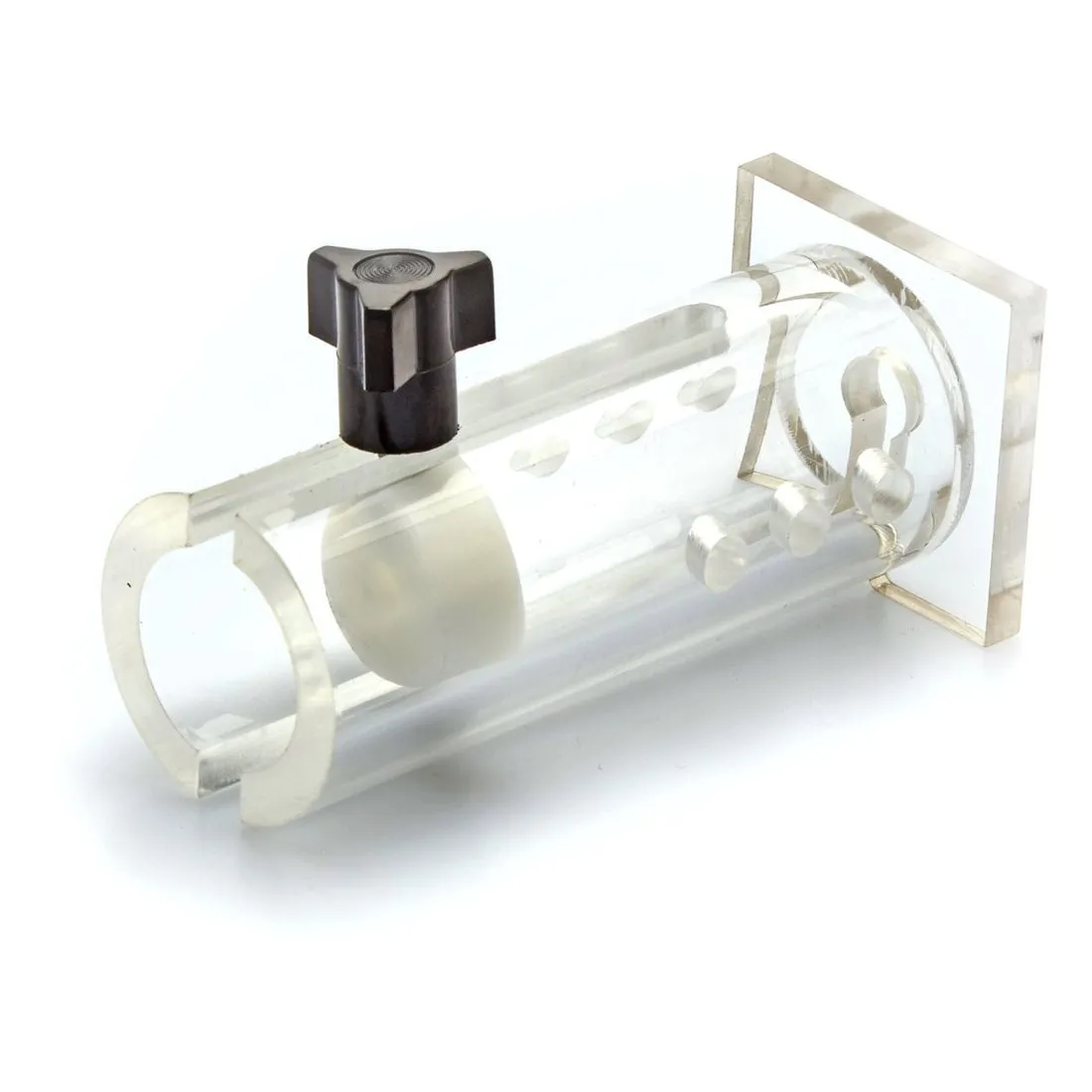
Tested on animals
Restraint tubes, metabolic cages and primate enclosures are the everyday furniture of a testing life.
Four pieces of equipment, each with a scientific reason, and what they add up to.
-
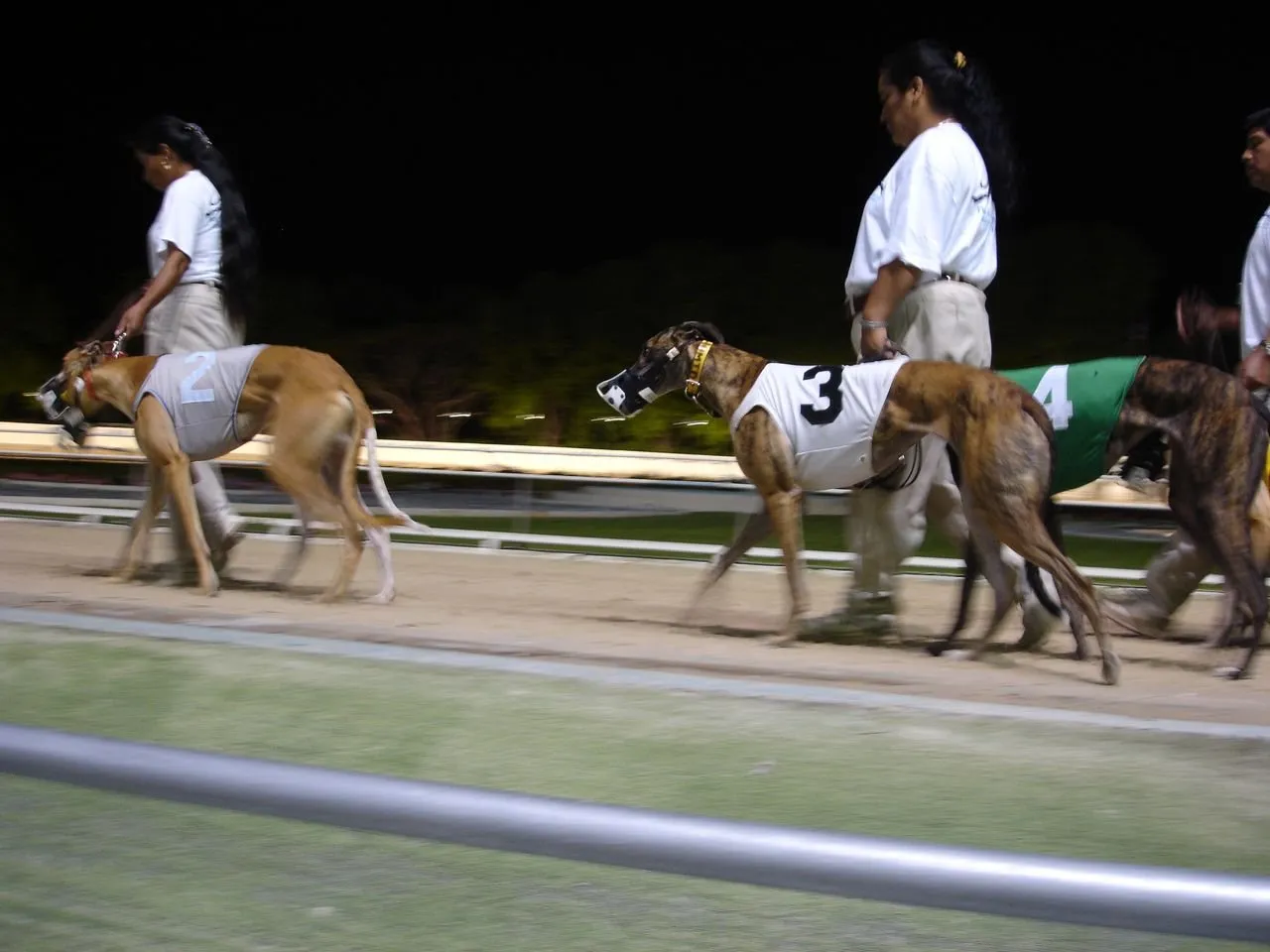
Races, zoos & aquariums
A whip, a muzzle, a bullhook, a concrete tank. Each is defensible on its own; together they describe a life.
Where safety equipment ends and coercion begins, across four venues.