Cheese takes roughly ten times its weight in milk. It is the same cycle, run ten times over.
No single object here explains dairy. Conception is scheduled, the pregnancy is confirmed by hand, the calf is fed away from the udder, the horn buds are destroyed before they grow, and nursing is cut off on a timetable. By the time the herd reaches the carousel, every one of those decisions has already been made for it.
About 6 min · 6 steps · you control the pace
Use ← and → to move, Esc to exit
1 Controlled breeding
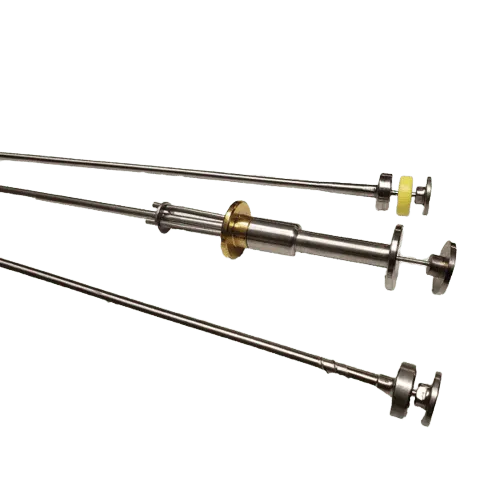
Artificial-Insemination Gun
A long instrument carries a semen dose through the cervix, so the farm decides when she becomes pregnant rather than the animal.
What this is
A long thin rod loaded with a dose of semen. It is passed through the cow's cervix and the dose released, with the operator's other arm commonly in the rectum guiding it from inside.
Why the system uses it
Breeding is controlled by the farm rather than left to the animals. The gun is how that decision reaches the cow's body.
What it costs the animal
The cow is restrained and entered. Poor lubrication, rough restraint, repeated attempts, or incorrect placement cause pain and injury.
Worth being precise about
Performed by trained staff, insemination can be routine veterinary work rather than an injury. Restraint, lubrication, timing, and gentle technique decide which it is.
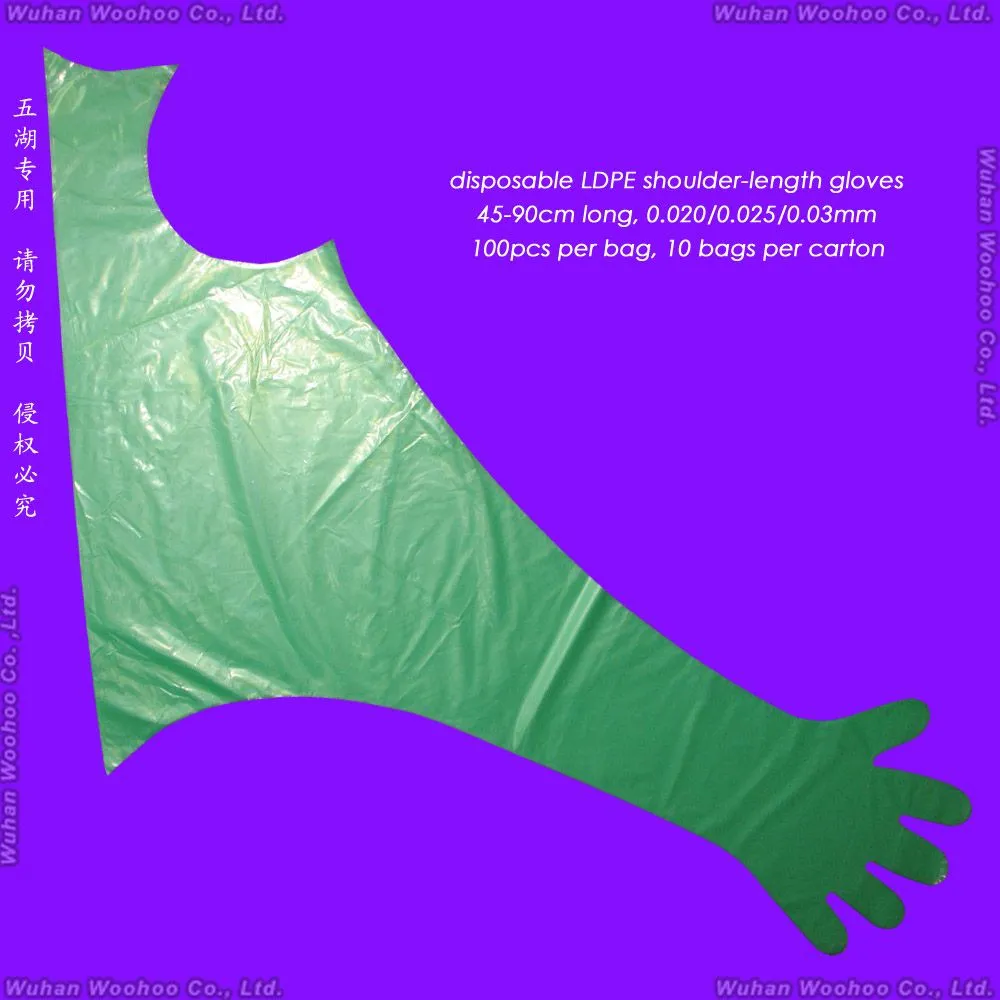
An arm goes in to the shoulder to confirm the pregnancy and read her reproductive state.
What this is
A disposable sleeve covering the arm to the shoulder. The arm is inserted into the cow's rectum to examine her reproductive tract and check for pregnancy.
Why the system uses it
Herd breeding runs on knowing which cows are pregnant and when. The sleeve keeps the operator clean while that examination is repeated across the herd.
What it costs the animal
The cow is restrained while an arm is pushed into her body. Forceful or incorrect examination causes distress and tissue injury.
Worth being precise about
The glove is barrier equipment, not the procedure. The distress and injury come from how the examination is performed, and this entry makes no claim that the sleeve itself harms the cow.
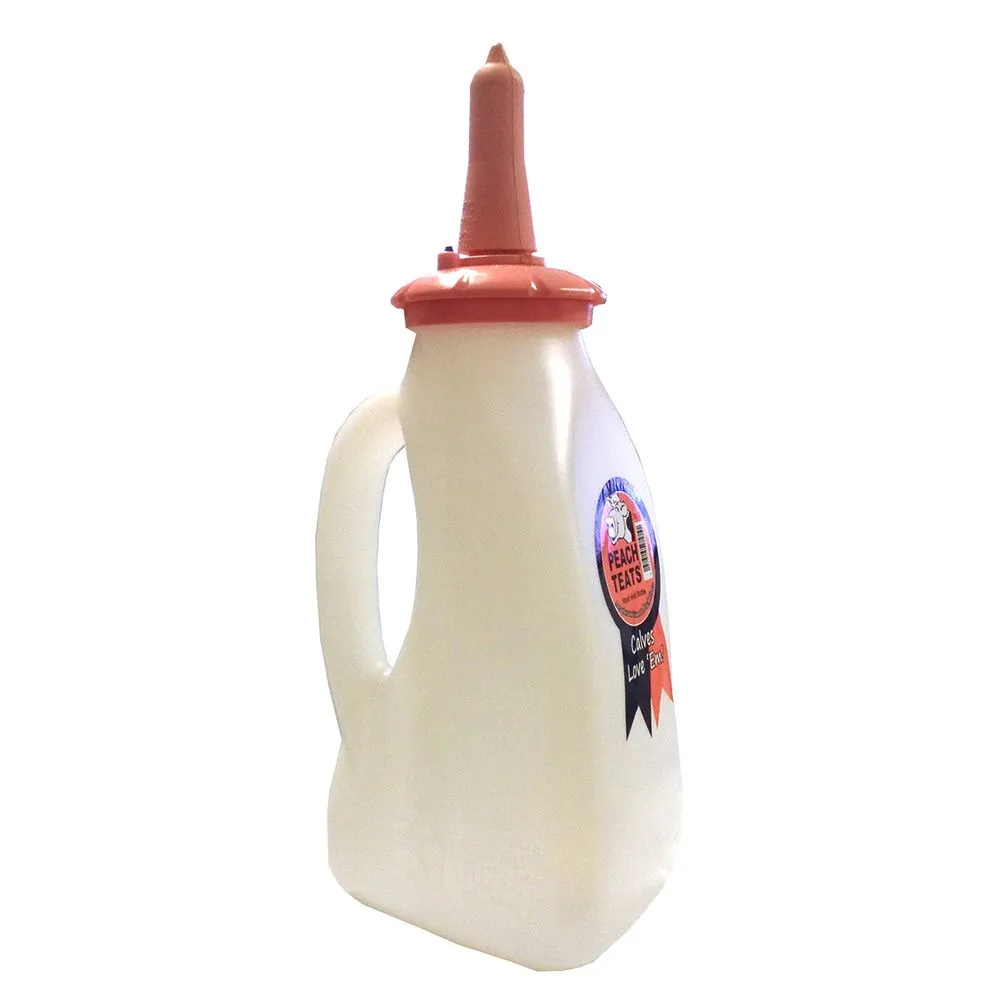
A rubber teat on a bottle replaces the udder, because the calf and the cow are kept separate.
What this is
A bottle or feeder fitted with a teat. The calf sucks milk or milk replacer from it instead of nursing from a cow.
Why the system uses it
The equipment exists because the calf is reared apart from its mother. Milk or milk replacer is delivered on the farm's schedule rather than the calf's.
What it costs the animal
The bottle itself does not hurt the calf. What weighs on the calf is the separation from its mother, how often and how well it is fed, milk quality and hygiene, and whether it has any chance to suck and to socialise.
Worth being precise about
A calf teat is normal feeding equipment and this entry makes no claim that it is painful. The ethical weight sits in maternal separation, nutrition, and rearing conditions, which differ between systems.
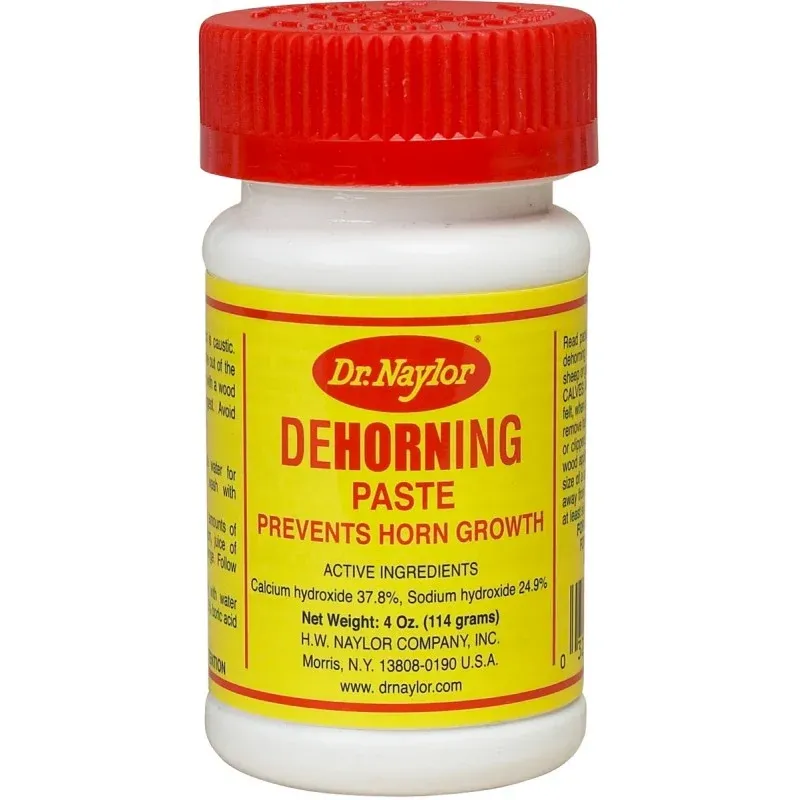
Caustic paste burns out the horn-forming cells before a horn appears, so the adult is easier to handle in a confined herd.
What this is
A strong alkaline paste smeared onto the horn bud of a young calf. It burns down through the skin and destroys the cells that would have grown the horn.
Why the system uses it
Horned cattle are harder to handle in confined herds and injure other animals. Destroying the bud early in life removes that cost before the horn exists.
What it costs the animal
The chemical burn is acutely painful. Paste that spreads burns the calf elsewhere, and burns the dam or another animal that comes into contact with it.
Worth being precise about
Whether pain relief is given, and whether the calf is kept from contact with others while the paste is active, varies. Breeding polled cattle avoids the procedure altogether.
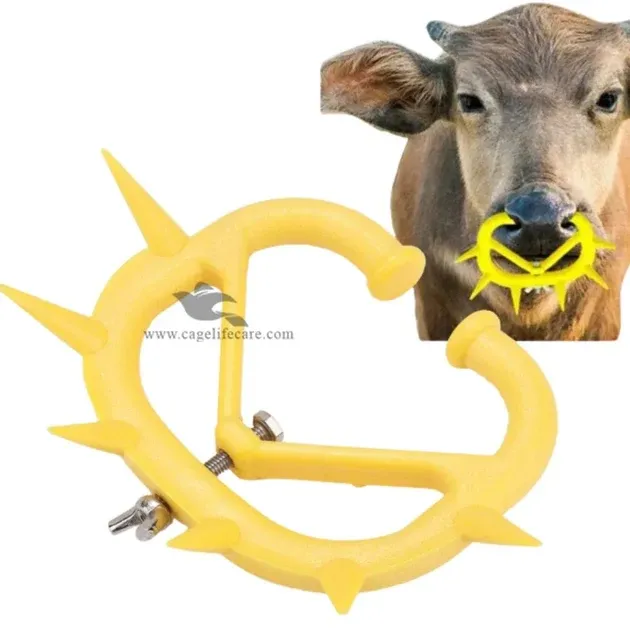
A spiked ring in the calf's nose makes the cow refuse her, ending nursing on the farm's schedule.
What this is
A ring fitted into a calf's nose with projections facing outward. When the calf reaches the udder, the projections press into the cow and she pushes the calf away.
Why the system uses it
Weaning happens on the farm's schedule, not the calf's. The ring makes the cow do the rejecting, so suckling stops before or during separation.
What it costs the animal
Depending on how it fits and how the projections are shaped, the ring rubs and irritates the calf's nose and mouth. Cut off from milk and driven off by its mother, the calf is hungry, calls, and shows distress.
Worth being precise about
The ring does not cut. It works by making the cow refuse. Fit, how long it stays in, monitoring, and how the separation itself is handled vary between farms, and they decide how much harm it does.
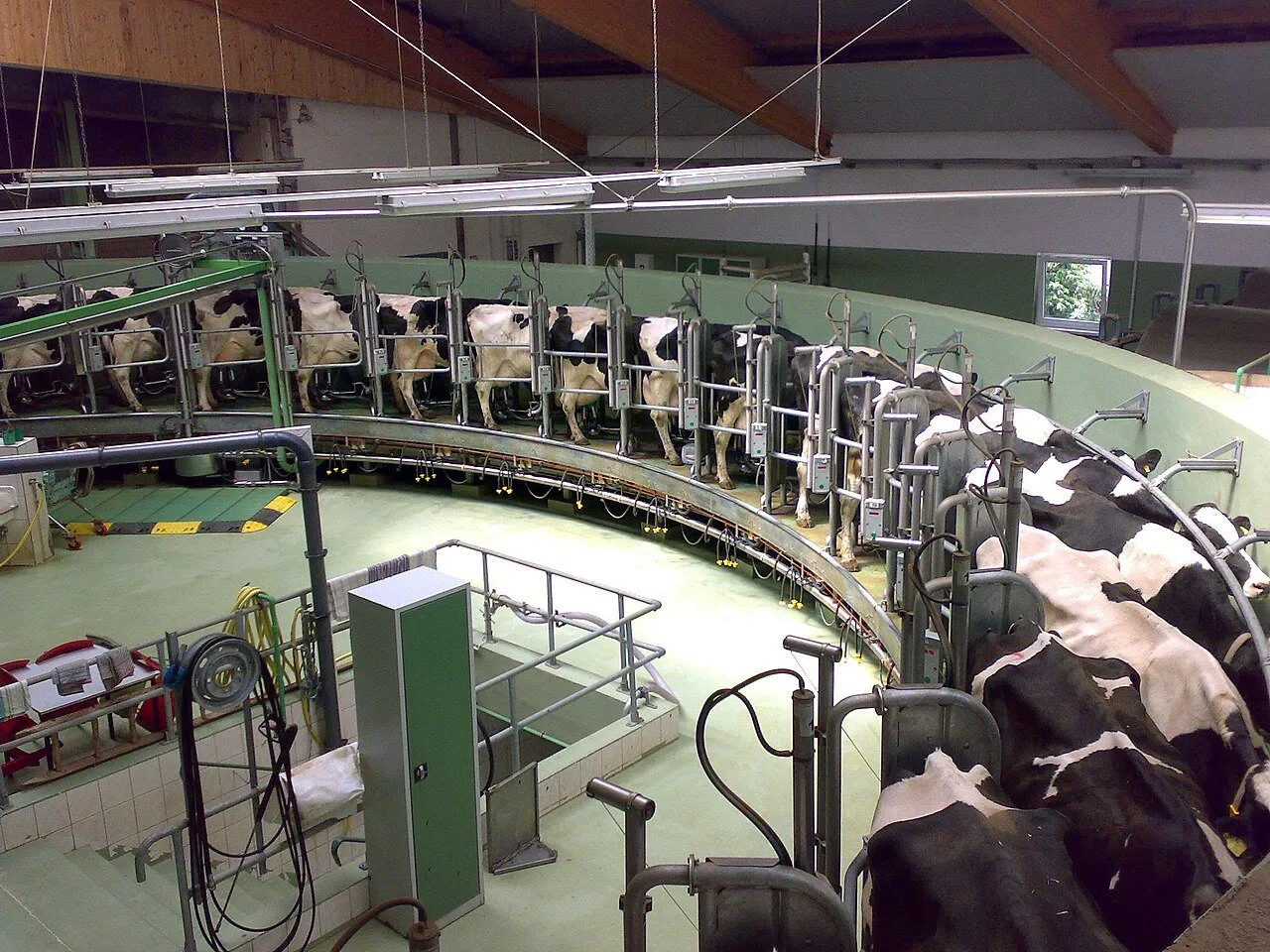
A rotating platform carries the herd through milking at fixed intervals, over and over.
What this is
Cows step into individual stalls on a slowly rotating platform. Workers or robots clean the udder, attach the cluster, and watch the milk flow as each stall comes past.
Why the system uses it
The carousel keeps a continuous line of cows moving through milking at predictable intervals. Throughput is the point: the platform sets the pace, not the cow.
What it costs the animal
The machinery itself is not what harms a cow. The harm comes from slippery flooring, being hurried on and off, badly fitting clusters, overmilking, poor maintenance, lameness, and the pressure to keep the line full.
Worth being precise about
Good design and calm handling can make milking an unremarkable part of the day. The heavier concerns sit around it — breeding for high yield, taking the calf away, housing, and udder health.
You just walked through 6 stages behind one wheel.
Every kilo of cheese concentrates the dairy cycle: more pregnancies, more calves removed, more cows culled when their yield falls.
Farms and countries differ. Ages, pain relief, housing and separation policy vary, and not every farm uses every tool shown here. The sequence is common rather than universal.