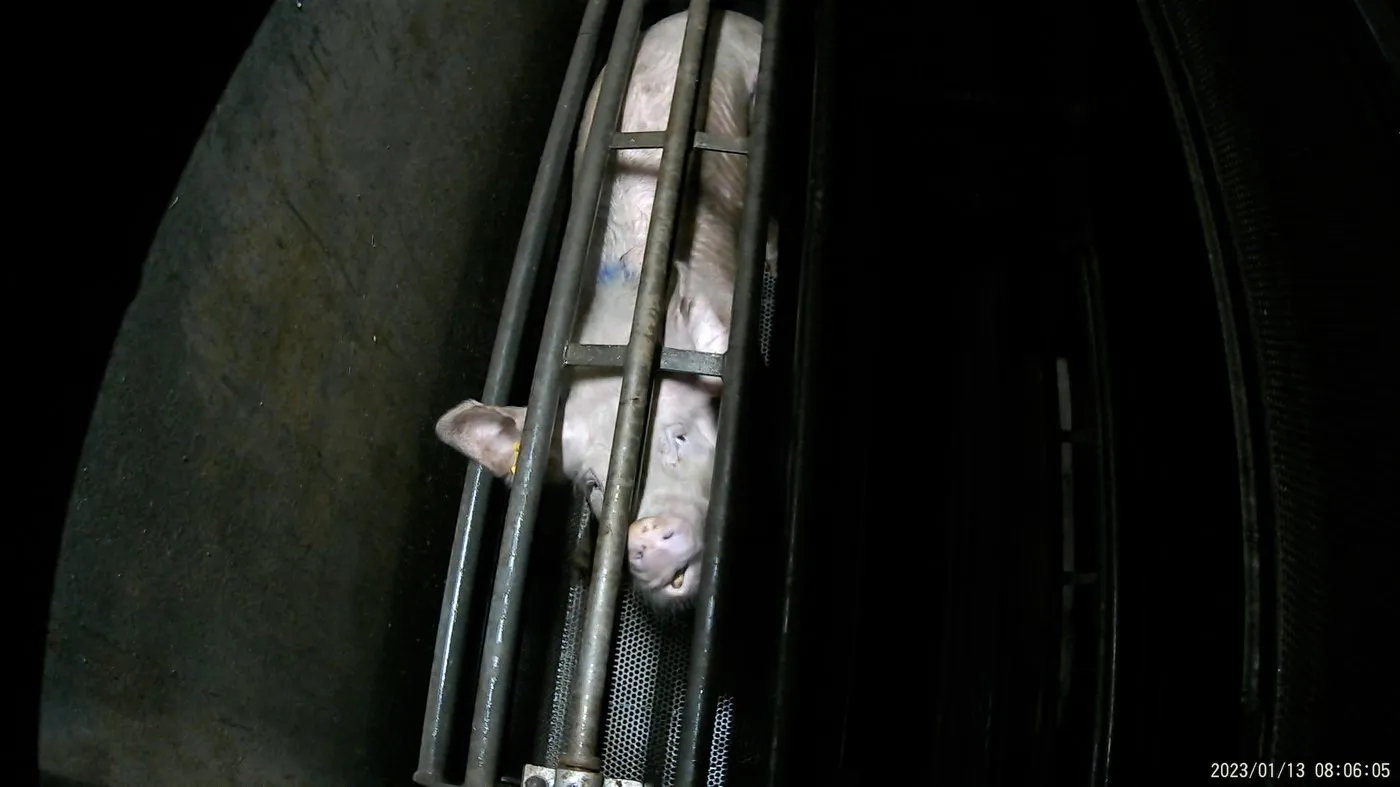
His mother spent much of her pregnancy in a stall she could not turn around in.
Each object in a pig unit is defended on its own: the catheter is hygienic, the crate protects piglets, the prod is for animals that stop. Placed in order, they describe one system that sets when a sow conceives, where she can lie down, what is cut off her litter, and how the herd ends. The logic running through it is throughput, and that is the point worth seeing.
About 6 min · 6 steps · you control the pace
Use ← and → to move, Esc to exit
1 Scheduled insemination
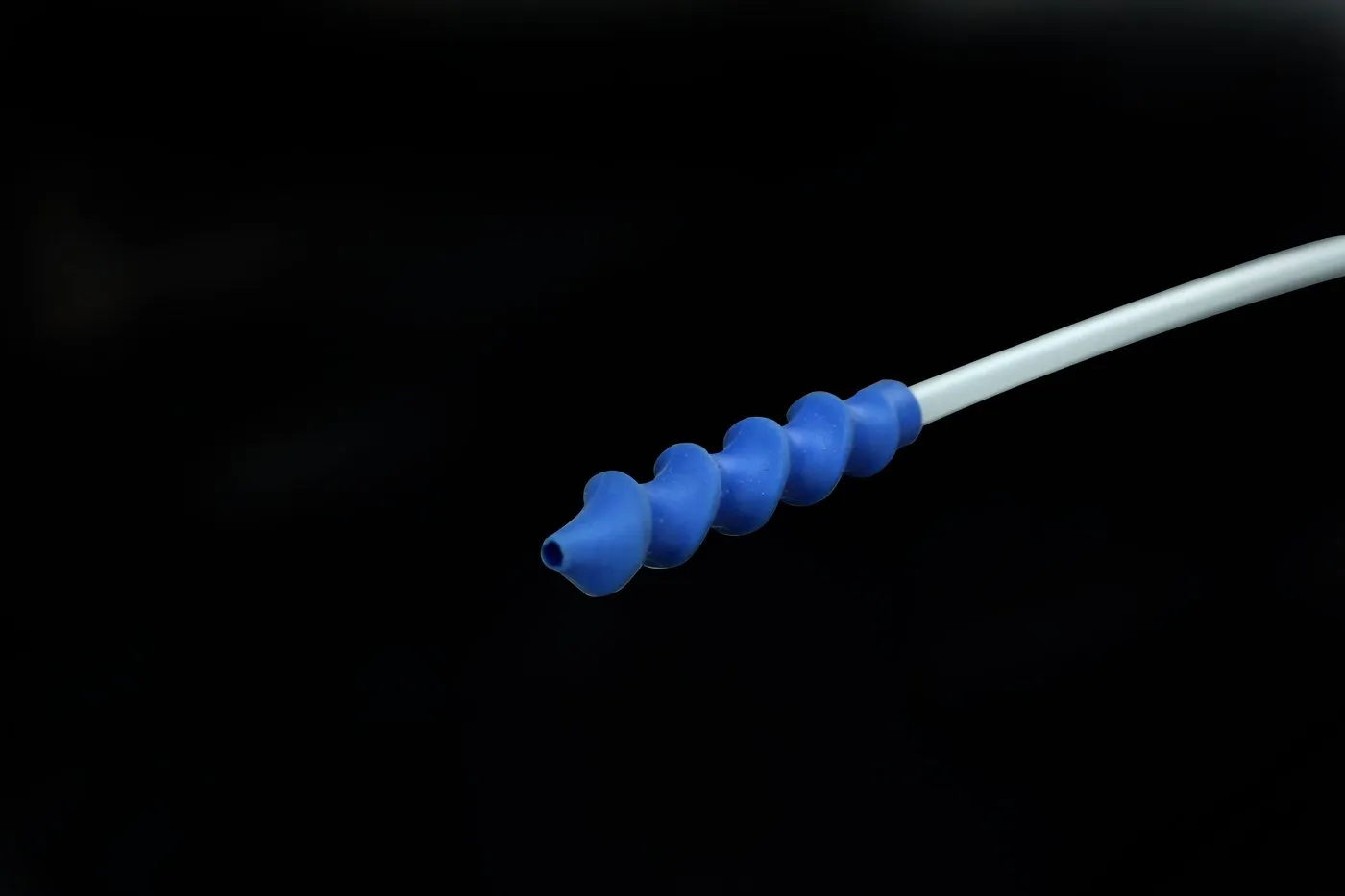
Sow Insemination Catheter
A catheter is passed into the reproductive tract so a measured semen dose can be placed without a boar, on a date the farm chooses.
What this is
A flexible tube is pushed into the sow's reproductive tract and a measured dose of semen is released through it, in place of natural mating.
Why the system uses it
Artificial insemination puts the timing of every pregnancy in the farm's hands. Selected genetics can be spread across many sows, and litters arrive on the schedule the farm sets.
What it costs the animal
The tube itself is not the injury. Rough insertion, dirty equipment, inseminating a sow who is not ready, and forceful restraint cause distress, irritation, and internal injury.
Worth being precise about
Performed by trained staff at the right point in the cycle, the procedure is routine and brief. What is at stake is the reproductive control the tool makes possible, not the catheter alone.
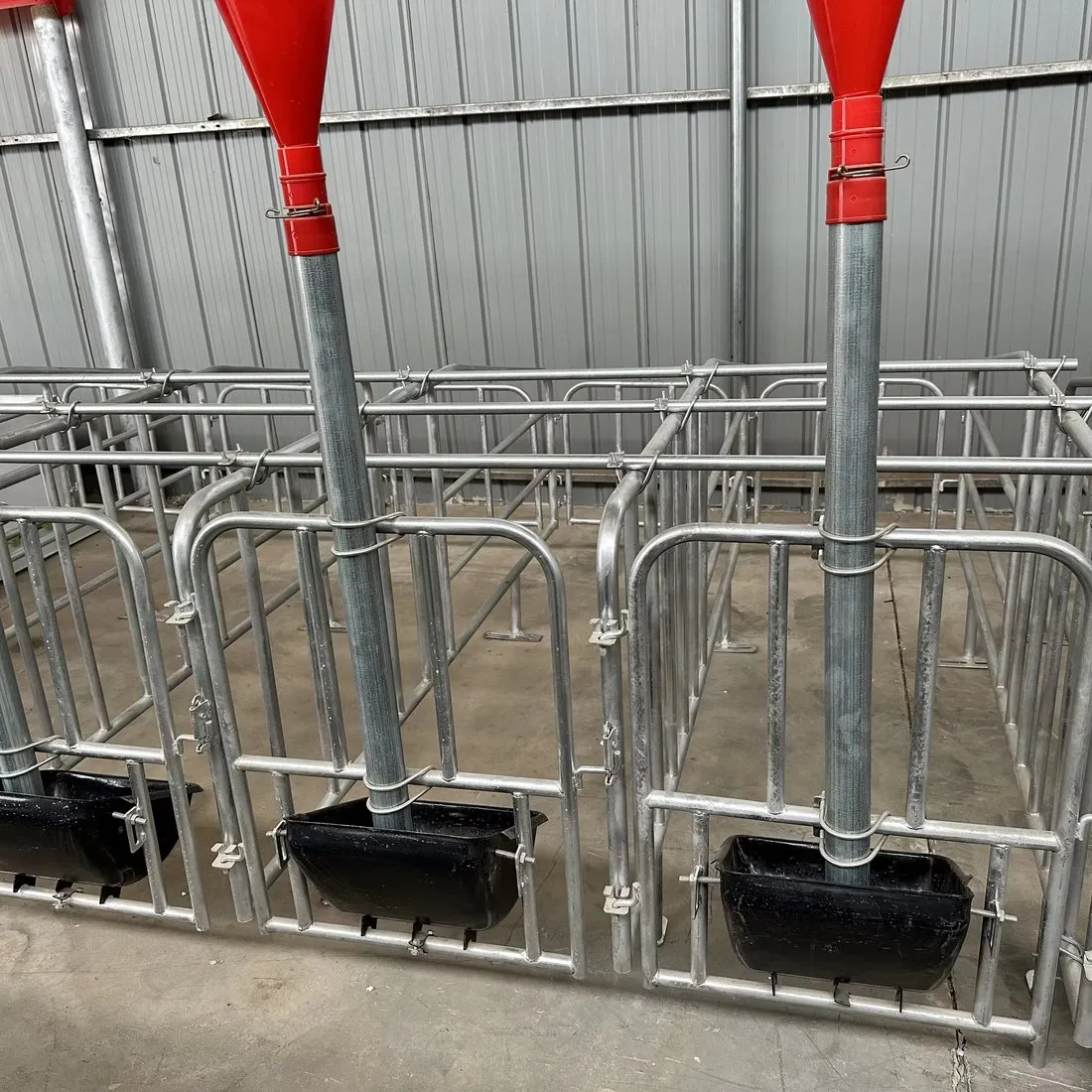
An individual stall holds her through part or all of pregnancy; she cannot turn or walk, and feeding and observation get simpler.
What this is
A metal stall holds a pregnant sow in place for part or all of her pregnancy. She cannot turn around or walk; she is fed and inspected where she stands.
Why the system uses it
Confining each sow separately lets a farm ration her exactly, watch her without handling her, and stop sows fighting over feed. The confinement is what makes that supervision simple.
What it costs the animal
A sow who cannot turn or walk loses nearly every behaviour available to her. Prolonged confinement brings lesions, muscle weakness, frustration, and repetitive stereotypic movement.
Worth being precise about
Crates do simplify feeding and do prevent aggression between sows. Well-designed and well-managed group systems can address those aims too, and they let sows move.
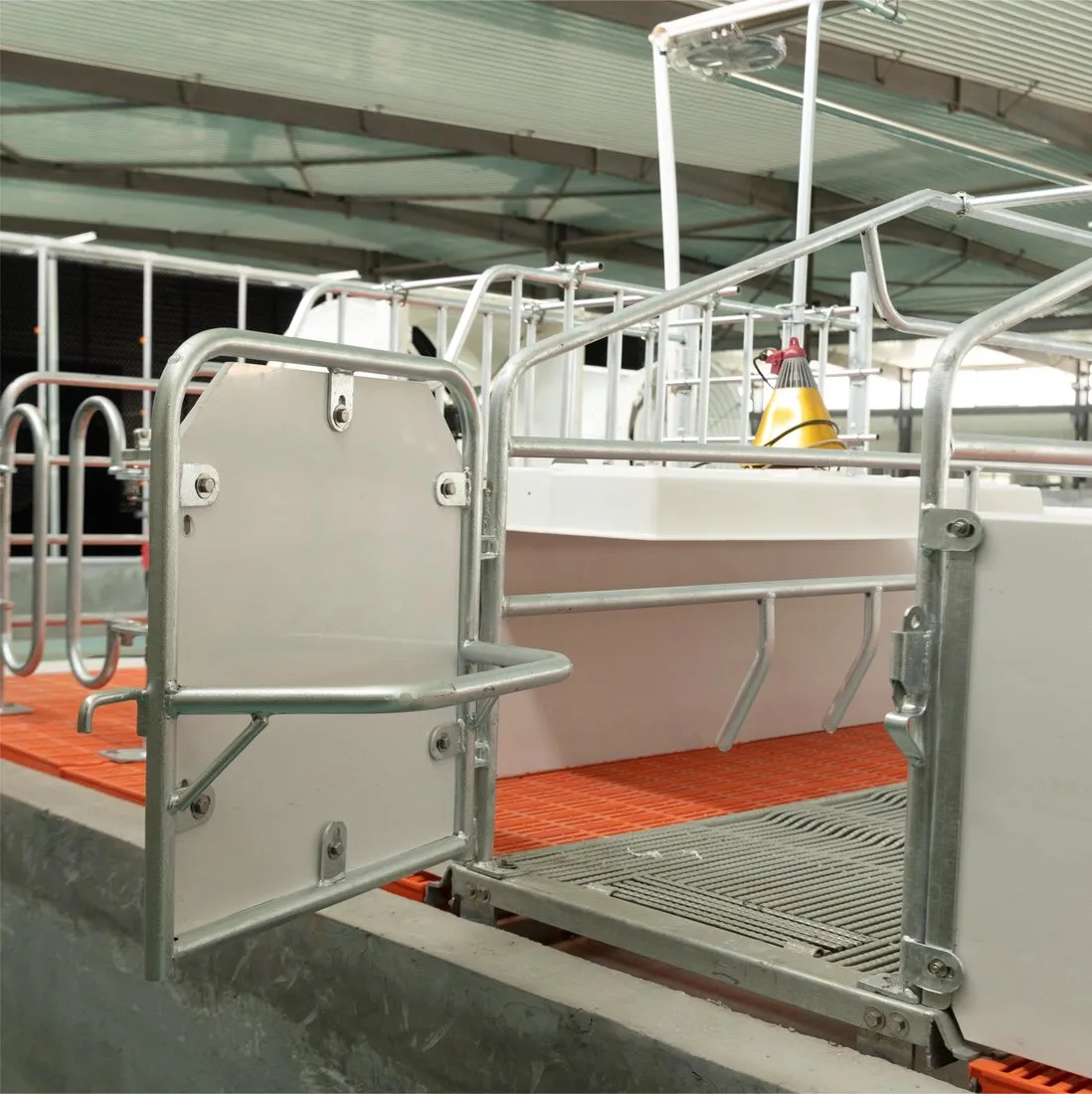
A second, narrower crate holds her through birth and nursing while the piglets use a creep alongside; nest-building and maternal behaviour are cut off.
What this is
A narrow pen holds a sow in place through birth and early nursing. She cannot turn around or walk, while her piglets move in and out through a separate creep area.
Why the system uses it
Intensive indoor production uses the crate because a sow who cannot move is easy to supervise and unlikely to crush a piglet by lying on one. The alternative costs more space and more management.
What it costs the animal
The sow cannot turn, walk, or build a nest for her litter, and the maternal behaviour she is driven to perform is cut off. Prolonged confinement leaves her with frustration, lesions, and weakened muscle.
Worth being precise about
Piglet crushing is a real problem and the crate is a real answer to it. Well-designed free-farrowing systems can protect piglets too, but they demand more space, more design care, and closer management.
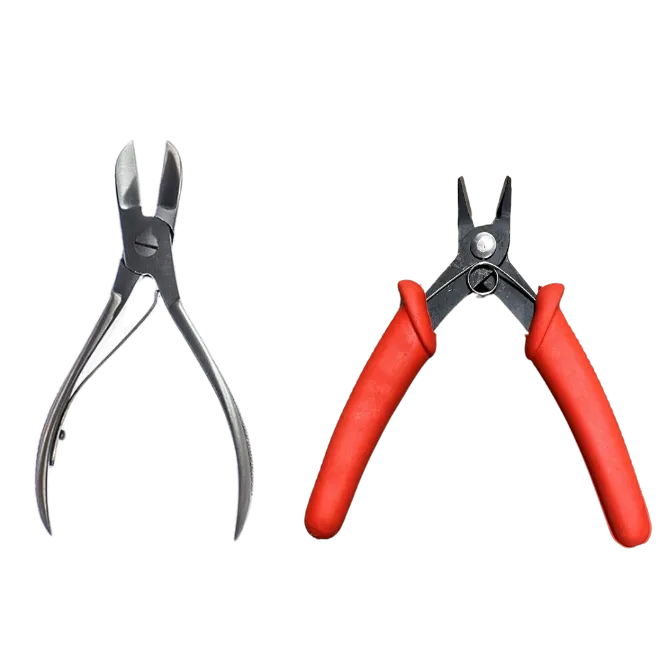
Nippers reduce the piglets' needle teeth and cut their tails: two separate painful procedures, often performed with one implement.
What this is
One hand tool with two jobs: nipping down a piglet's needle teeth and cutting off part of its tail.
Why the system uses it
Two separate procedures are combined into a single implement, so both are done to the same piglet in one handling and a whole litter can be worked through in one pass.
What it costs the animal
Both cuts cause acute pain. Damaged teeth, infection, tail lesions, neuromas, and lasting changes in behaviour are all recognised consequences.
Worth being precise about
Tooth clipping and tail docking are distinct procedures that happen to share a tool. Each needs its own justification and its own pain relief; sharing an implement does not make them one decision.
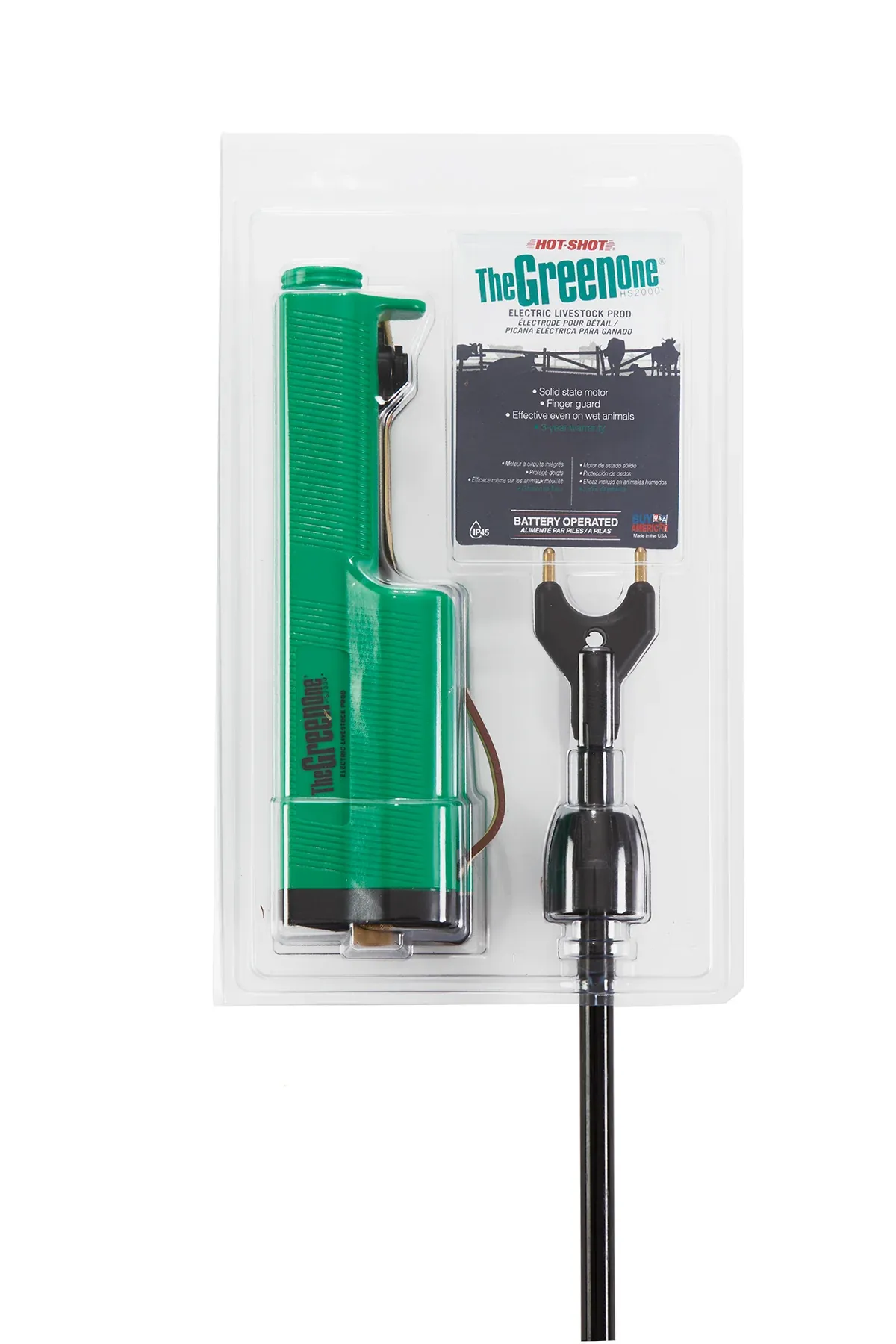
An electric prod delivers a shock to pigs that stop moving, standing in for handling and facility design that failed.
What this is
A battery-powered stick that puts an electric shock into an animal's body. The animal moves to get away from the shock.
Why the system uses it
It moves animals when other handling cues fail. It also substitutes for correcting the facility and handling problems that made them fail.
What it costs the animal
The shock is aversive, painful, and frightening. Repeated shocks, and shocks to sensitive areas of the body, make it worse.
Worth being precise about
Used once in an emergency, a prod can protect a person or an animal from something worse. Routine use, repeated shocks, and sensitive-area use are a different matter, and they point to a handling system that is failing.
This photograph shows Gassing pigs unconscious before bleeding.
6 Gas stunning
Carbon-Dioxide Pig Stunning
Groups of pigs are lowered into high-concentration carbon dioxide, which is strongly aversive in the seconds before unconsciousness.
What this is
Groups of pigs are moved into a gondola that lowers them into a chamber holding a high concentration of carbon dioxide. They are shackled and bled after the descent.
Why the system uses it
Moving pigs in groups is faster than restraining each one individually for electrical stunning. The system exists to keep high-throughput plants running.
What it costs the animal
High-concentration carbon dioxide is strongly aversive. Before unconsciousness arrives the pigs experience breathlessness, vocalise, and try to escape the chamber.
Worth being precise about
Group handling does remove some of the individual restraint an electrical system requires. It does not remove the aversive induction phase, and gas concentration, exposure time, maintenance, and backup procedures vary between plants.
Pigs are as trainable and social as dogs. The system inseminates the mother on a schedule, confines her for birth, cuts the piglets' teeth and tails, and finishes with a gas chamber.
Outdoor, group-housed, free-farrowing and small-scale systems arrange this very differently. Crate use, piglet procedures and stunning methods vary by country and by farm.