Whatever the species, the end of the process is the same shape: a truck, a race, a restraint box, a bolt.
This is where the separate production chains converge, and where failures compound rather than cancel out. A badly designed race means more prodding; a long journey means a weaker animal arrives; poor restraint undermines a stun that would otherwise work. No single step has to be brutal for the sequence to end badly.
About 5 min · 5 steps · you control the pace
Use ← and → to move, Esc to exit
1 Moved by shock
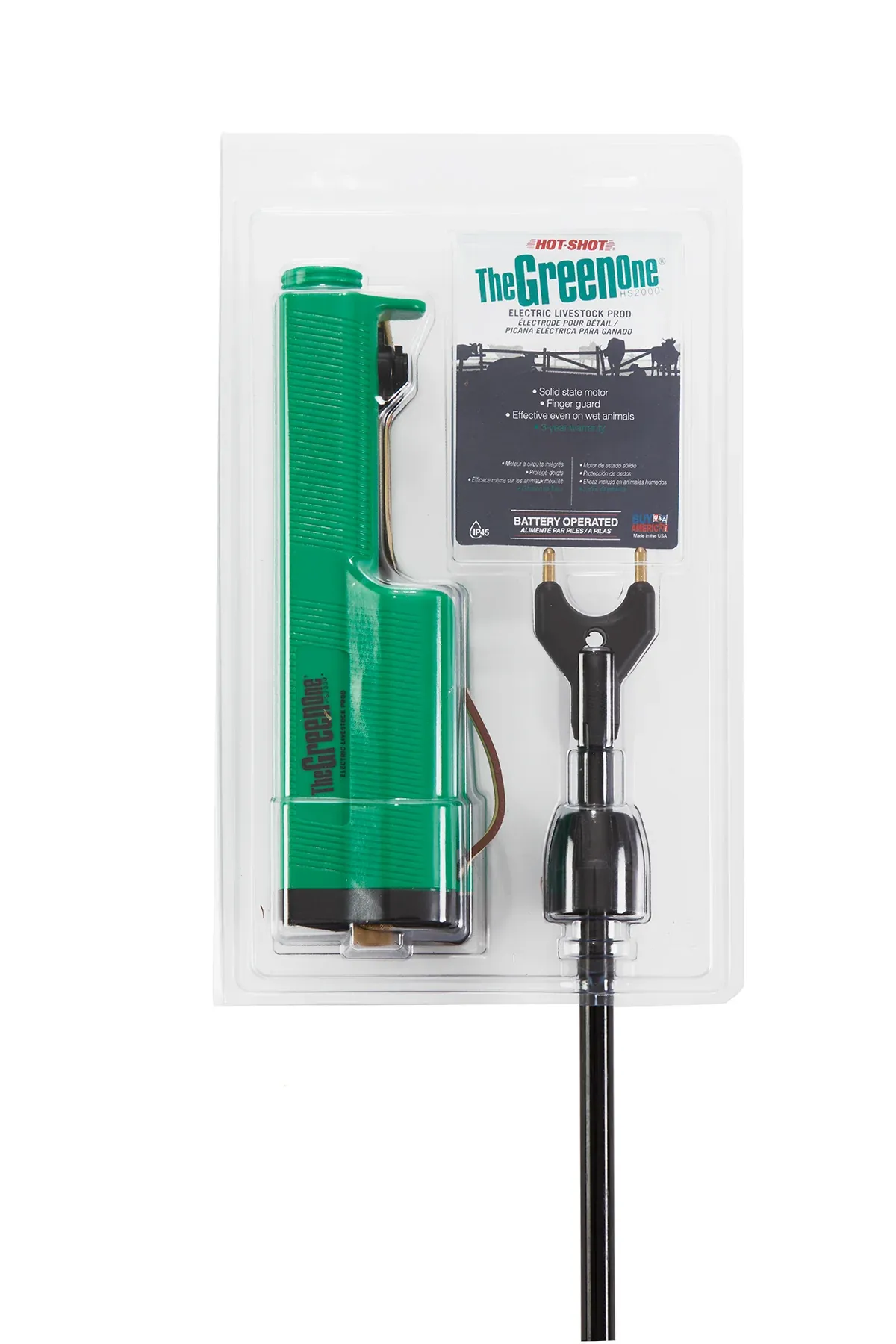
Electric Livestock Prod
An electric prod shocks animals forward where they baulk, and animals baulk where the race, the lighting or the pace of the handling system is wrong.
What this is
A battery-powered stick that puts an electric shock into an animal's body. The animal moves to get away from the shock.
Why the system uses it
It moves animals when other handling cues fail. It also substitutes for correcting the facility and handling problems that made them fail.
What it costs the animal
The shock is aversive, painful, and frightening. Repeated shocks, and shocks to sensitive areas of the body, make it worse.
Worth being precise about
Used once in an emergency, a prod can protect a person or an animal from something worse. Routine use, repeated shocks, and sensitive-area use are a different matter, and they point to a handling system that is failing.
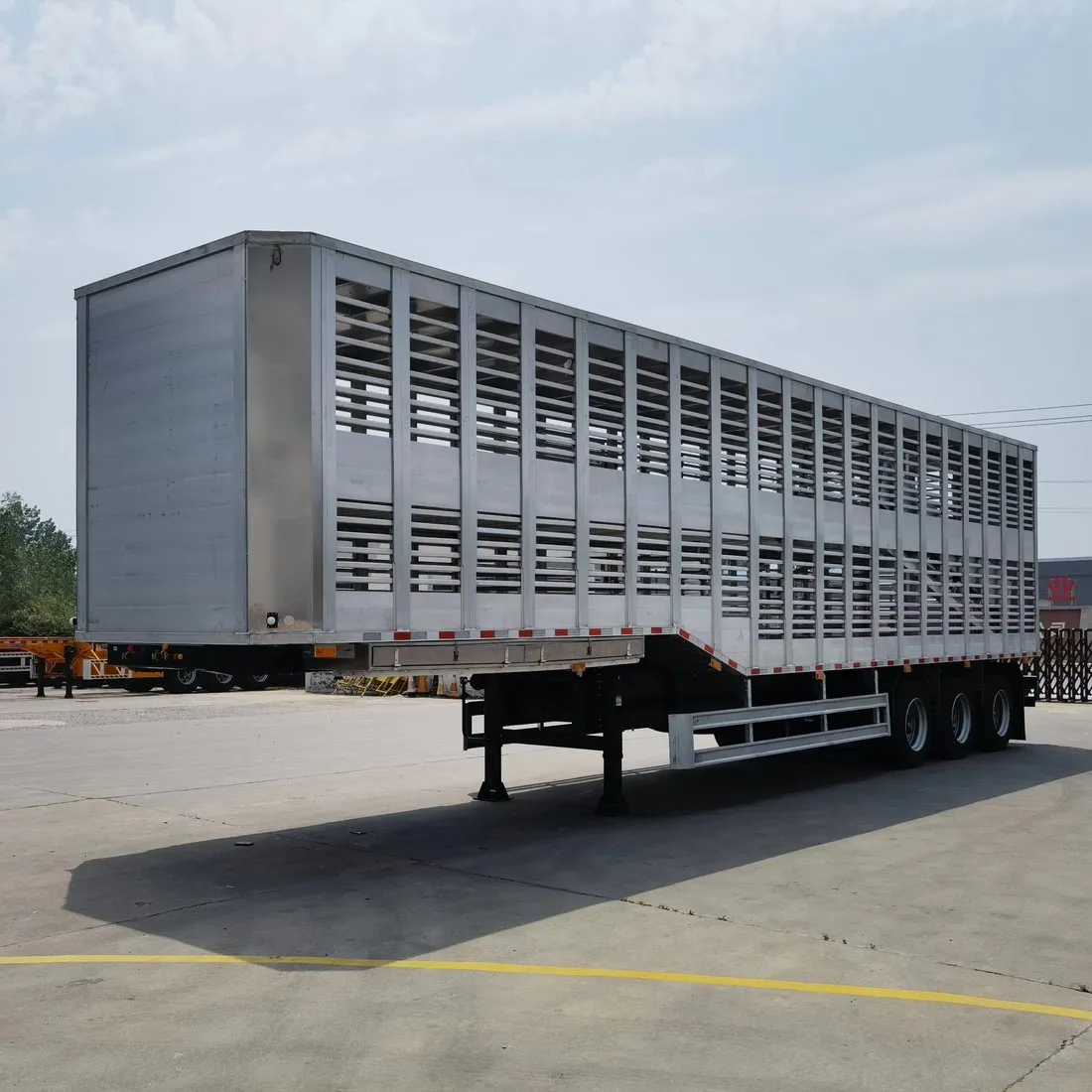
Road vehicles and livestock ships carry animals between farms, markets, feedlots, ports and slaughter destinations, where heat, cold, crowding, motion, fatigue, hunger, thirst, injury and delay stack up.
What this is
Animals are loaded onto road vehicles and livestock ships and held there for the length of the journey between farms, markets, feedlots, ports, and slaughter destinations.
Why the system uses it
Moving animals alive over long distances lets farms, markets, feedlots, and slaughterhouses in different places operate as one supply chain.
What it costs the animal
Heat, cold, crowding, motion, fatigue, hunger, thirst, injury, and disease compound each other across a journey. On a long or badly run voyage they stack up on the same animal, and every delay extends them.
Worth being precise about
Transport is not automatically abusive, and a short well-run trip is a different thing from a long sea voyage. Journey length, ventilation, stocking density, weather, handling, food, water, and contingency planning decide the outcome.
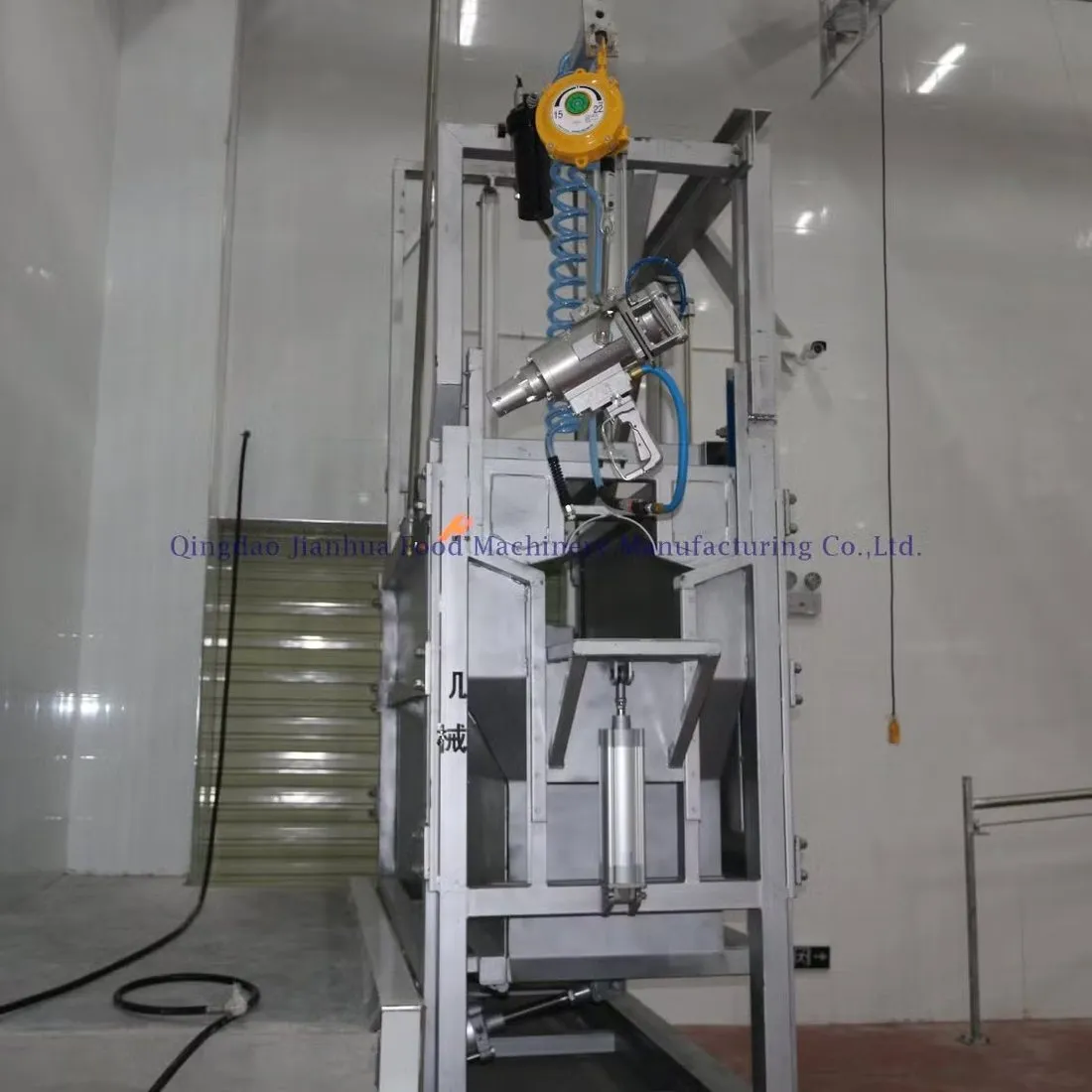
A box, head gate or conveyor takes away movement so the stun can be placed accurately, while pressure, noise, prodding and long waits inside it cause fear and panic.
What this is
A narrow box, head gate, or conveyor closes around the animal so it cannot turn, back out, or move its head. An operator or automated device then positions it for stunning and bleeding.
Why the system uses it
A moving animal is dangerous to workers and hard to stun accurately. Restraint removes the movement so the line can hold its speed.
What it costs the animal
Restraint that works prevents falls and failed stunning. Restraint that does not means forced entry, noise, electric prompting, crushing pressure, long waits, or being turned upside down, and the animal is awake through all of it.
Worth being precise about
Whether restraint reduces harm or compounds it depends on the design of the equipment, its maintenance, the speed of the line, the skill of the staff, and the species being handled. The box is not the same thing as the outcome.
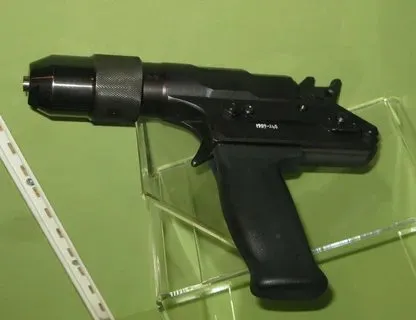
A captive bolt is fired into the skull to end consciousness before bleeding, and accuracy, restraint, cartridge strength, maintenance and an immediate backup decide whether it works first time.
What this is
A steel bolt is driven into or against the animal's skull at high energy. The blow is meant to end consciousness before the animal is bled.
Why the system uses it
Bleeding an animal to death requires it to be unconscious first. The pistol is built to produce that state with a single blow, delivered by hand at the point of kill.
What it costs the animal
A shot placed correctly drops the animal at once. When the aim is off, the restraint is poor, the cartridge is weak, or the tool is badly maintained, the animal is shot again or stays conscious.
Worth being precise about
The captive bolt exists to protect welfare at slaughter, not to make production cheaper. Whether it does so depends on accuracy, restraint, cartridge strength, maintenance, and an immediate second shot when the first fails.
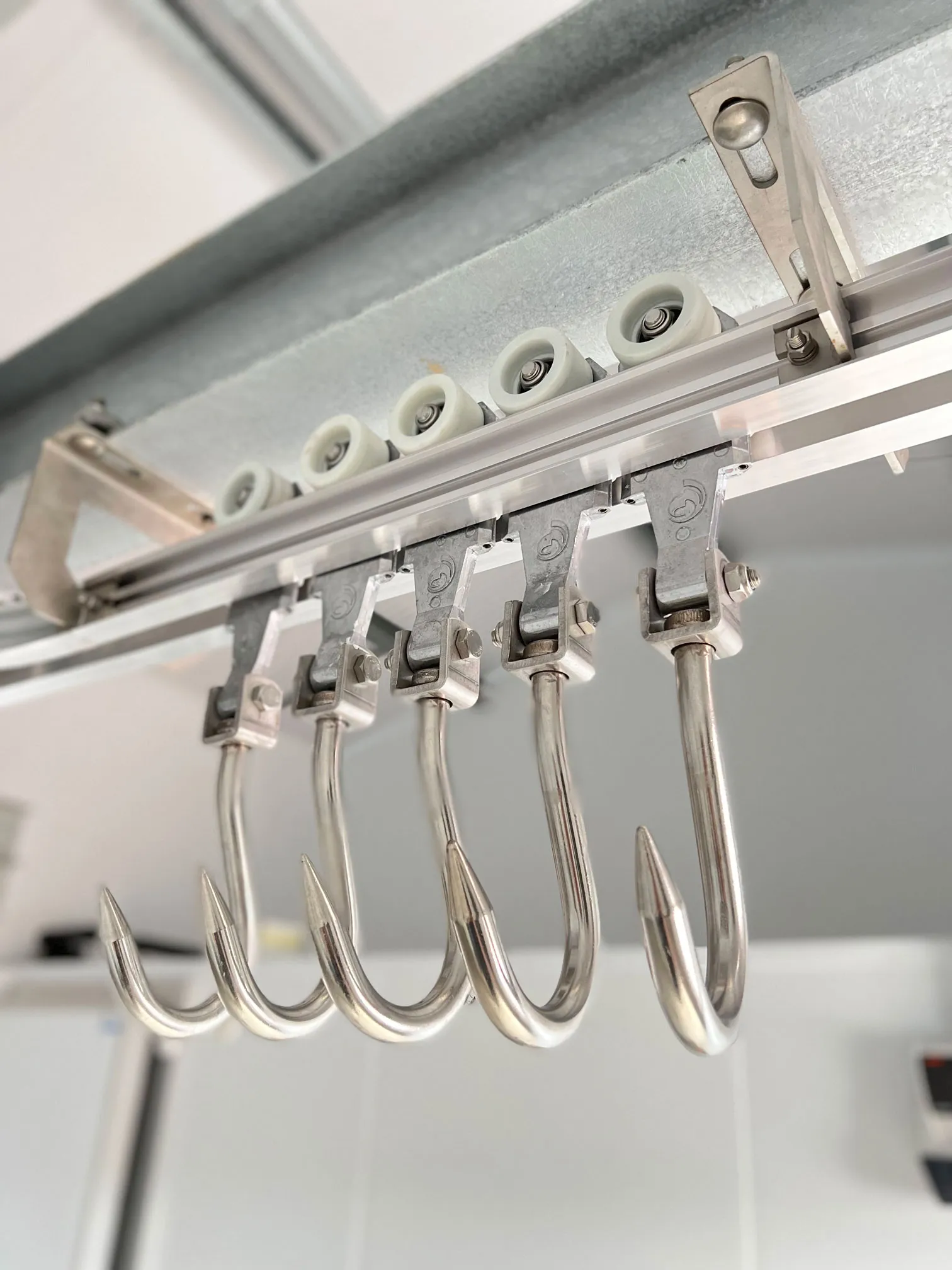
This photograph shows Carcass suspension hardware.
5 After death
Abattoir Meat Hook
Hooks and overhead rails move carcasses and cuts through processing; this step comes after the animal, and its weight belongs to the slaughter system rather than to a living one.
What this is
Steel hooks running on overhead rails. Carcasses and cuts are hung from them and moved through the plant after slaughter.
Why the system uses it
Hooks and rails keep carcasses moving so that processing runs in sequence rather than stopping at each station.
What it costs the animal
The animal is already dead. The hook causes no suffering of its own; what it shows is the scale and pace of the system that killed them.
Worth being precise about
Meat hooks normally handle carcasses and cuts after death, not conscious animals. This entry is here for the slaughter system the hook belongs to, not for direct harm.
You just walked through 5 stages behind one animal.
This is the part no label mentions and no farm tour includes. It is also the part every animal raised for meat has in common, whichever system raised them.
Equipment built to protect welfare still fails through maintenance, settings, line speed, training and misuse. Journey lengths, stunning methods, oversight and legal requirements differ by country and by plant.