Leather is not a leftover. It is a second product sold from the same animal, and it helps pay for the first.
Read alone, the ear tag is paperwork and the captive bolt is mercy. Read in order, they are one continuous process for turning an animal into a unit that can be tracked, handled without risk to workers, and killed on a line. The burning, branding and piercing in the middle are there because the animal is large and the system is not built around what it wants.
About 6 min · 6 steps · you control the pace
Use ← and → to move, Esc to exit
1 Tagged for records
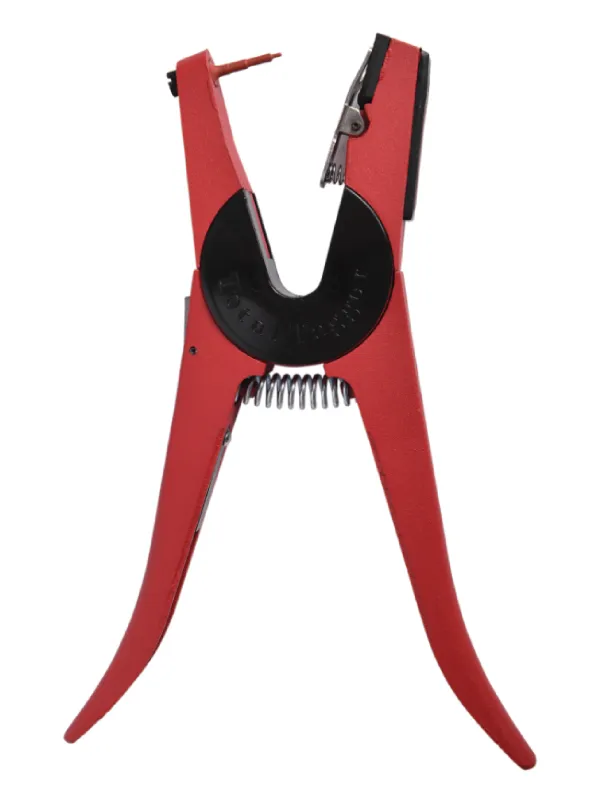
Ear-Tag Applicator
Pliers punch through the outer ear and lock a tag through the hole, turning the animal into a traceable number for ownership and disease control.
What this is
Pliers that punch a hole through the outer ear and clamp a numbered tag into the opening.
Why the system uses it
Herds are managed as records rather than as individuals. The tag turns each animal into a trackable number for ownership, disease control, and herd records.
What it costs the animal
The ear is punctured while the animal is held. The puncture is brief, but ears tear, tags snag and pull, and the wound becomes infected when placement, hygiene, or tag choice is poor.
Worth being precise about
Identification serves genuine disease-control and traceability purposes. Whether the ear heals cleanly depends on placement, hygiene, tag weight, and follow-up.
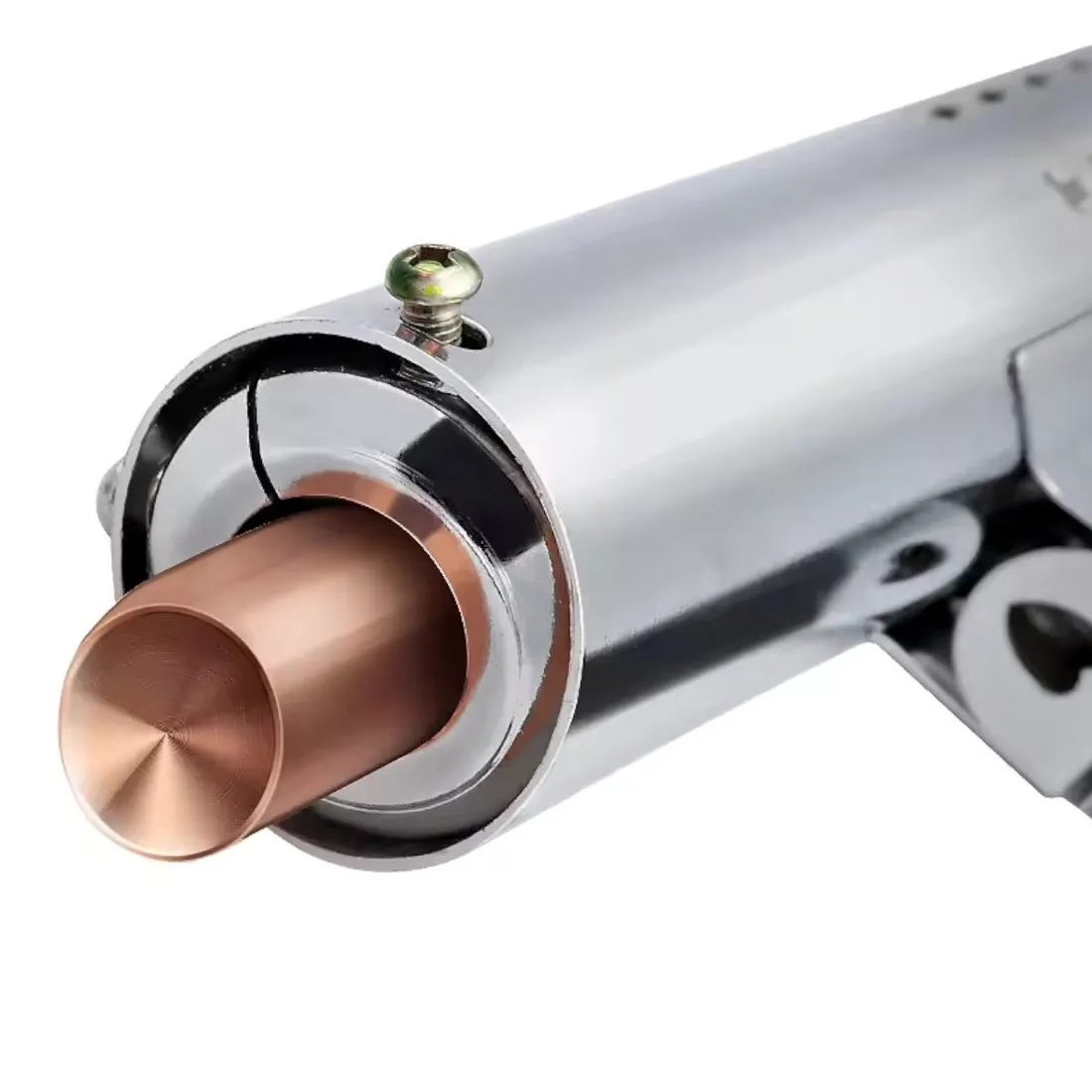
A heated tip is pressed around the horn bud to destroy the tissue before a horn grows, so the adult is easier to house and handle; anaesthesia reduces the pain without making the procedure neutral.
What this is
A heated iron tip is pressed onto the horn bud of a calf or goat kid and held there until the horn-forming tissue is destroyed. It is done before the horn has fully grown.
Why the system uses it
Horned animals injure each other and are harder to handle in confined housing. Removing the horn makes crowded systems workable, so the horn goes rather than the crowding.
What it costs the animal
Burning through living tissue on the skull causes acute pain and tissue damage. Local anaesthetic and pain relief afterwards reduce that pain; they do not make the procedure neutral.
Worth being precise about
Disbudding a young animal is less invasive than cutting the horns off a mature one. Breeding hornless cattle and designing housing differently can reduce or remove the need for it altogether.
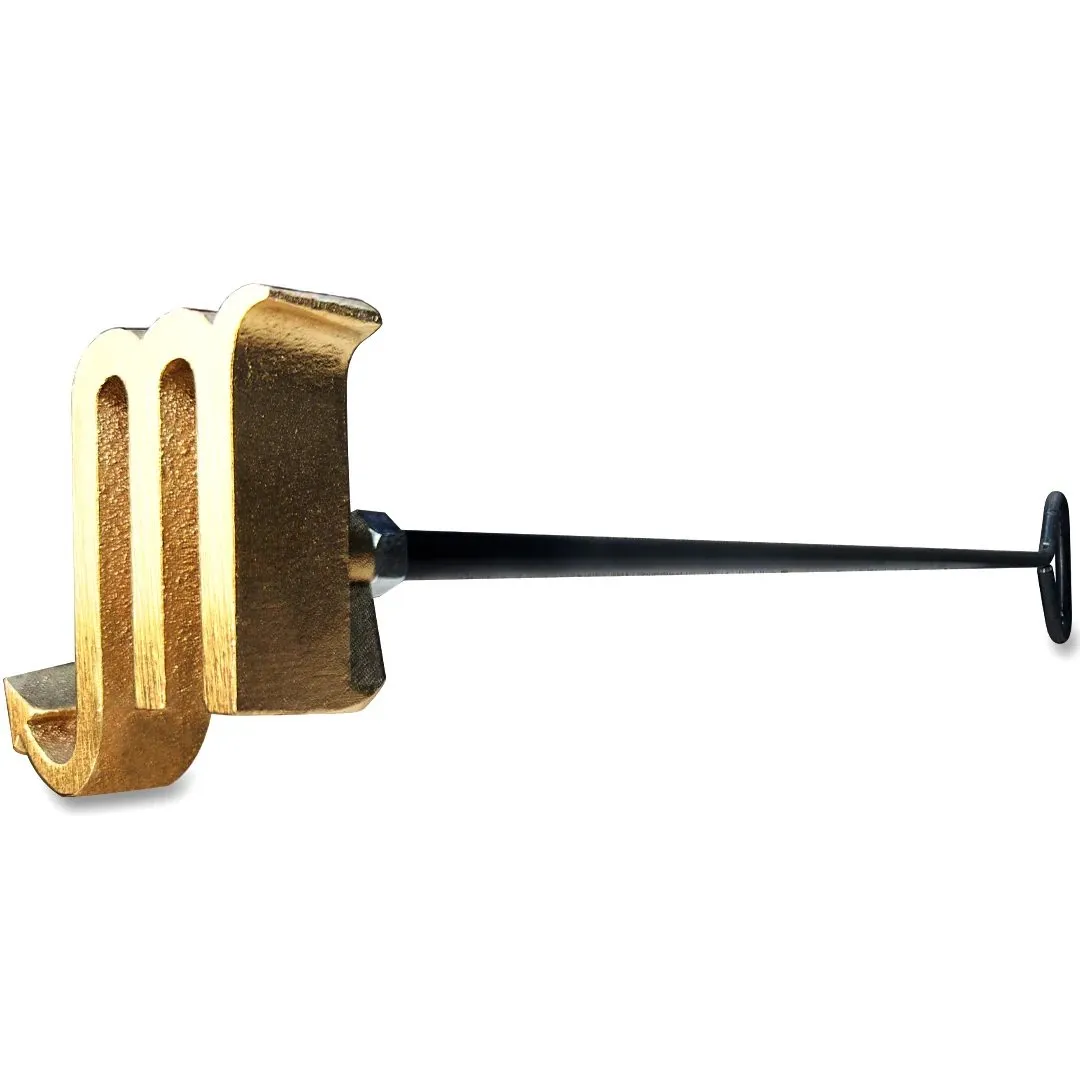
A hot iron is held against the skin to burn in an ownership mark, leaving an open wound and a permanent scar.
What this is
A heated iron is pressed against the animal's skin, burning a permanent scar in the shape of an identification or ownership mark.
Why the system uses it
The mark is permanent, and that is the point: proof of ownership that cannot fall out or be swapped.
What it costs the animal
The iron burns the skin. The animal is left with a painful open wound, inflamed and exposed to infection.
Worth being precise about
Branding produces exactly the permanent mark it is designed to produce. Electronic and visual identification systems identify the same animal without a burn.
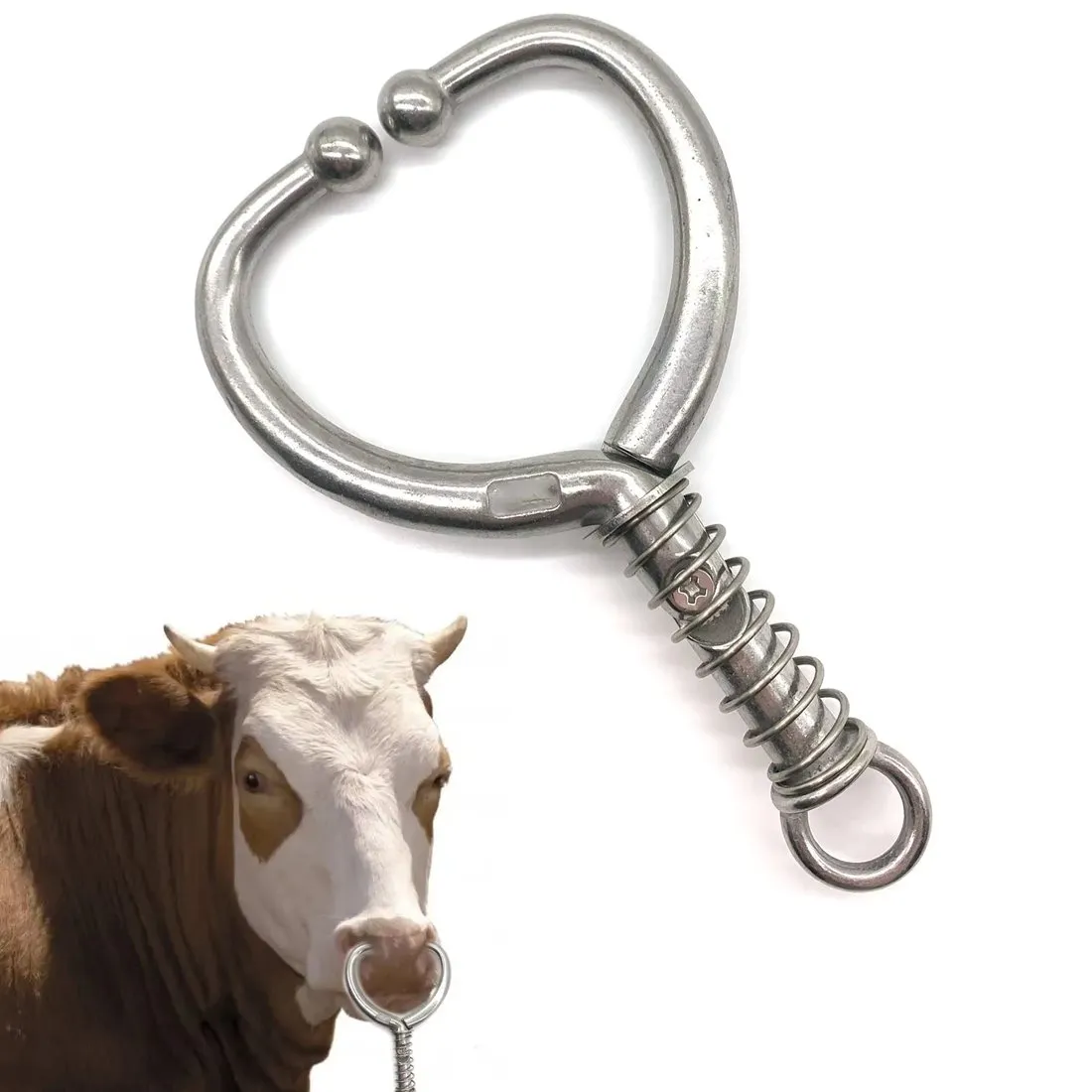
A metal ring is pierced through the nasal septum to give a handler leverage over a mature animal through one of the most sensitive points on its body.
What this is
A metal ring is pierced through the nasal septum. It gives a handler a fixed point of leverage on the head of a full-grown animal.
Why the system uses it
Leading or restraining mature cattle, bulls above all, calls for a hold the animal cannot pull away from. The ring supplies it, sited where pressure is hardest to ignore.
What it costs the animal
The piercing is an acute wound. Once it heals the ring remains a pain point: forceful pulling, tethering, or damaged hardware cause continuing pain and injury.
Worth being precise about
A correctly fitted ring can make handling safer for people and animals alike. The harm comes from forceful pulling, tethering by the nose, and use as punishment.
A box, head gate or conveyor removes the animal's ability to move so the stunning device can be placed accurately.
What this is
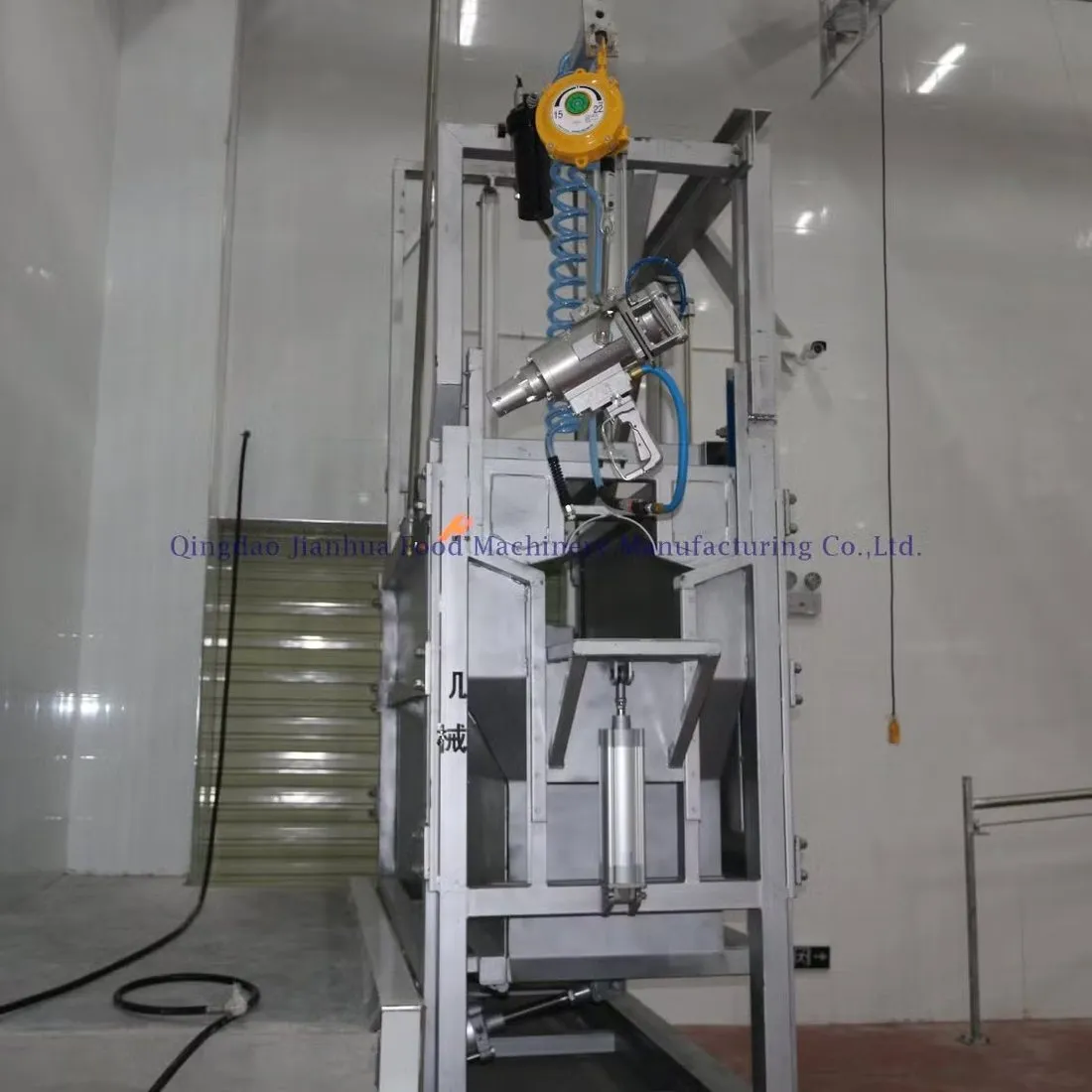
A narrow box, head gate, or conveyor closes around the animal so it cannot turn, back out, or move its head. An operator or automated device then positions it for stunning and bleeding.
Why the system uses it
A moving animal is dangerous to workers and hard to stun accurately. Restraint removes the movement so the line can hold its speed.
What it costs the animal
Restraint that works prevents falls and failed stunning. Restraint that does not means forced entry, noise, electric prompting, crushing pressure, long waits, or being turned upside down, and the animal is awake through all of it.
Worth being precise about
Whether restraint reduces harm or compounds it depends on the design of the equipment, its maintenance, the speed of the line, the skill of the staff, and the species being handled. The box is not the same thing as the outcome.
A bolt is fired into the skull to end consciousness before bleeding; bad aim, poor restraint, a weak cartridge or a poorly maintained gun means it has to be done again.
What this is
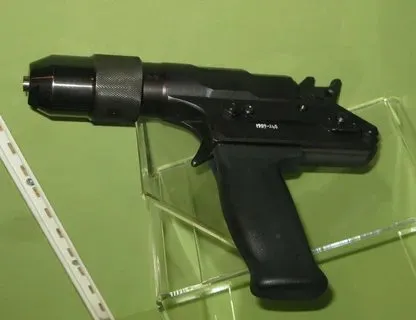
A steel bolt is driven into or against the animal's skull at high energy. The blow is meant to end consciousness before the animal is bled.
Why the system uses it
Bleeding an animal to death requires it to be unconscious first. The pistol is built to produce that state with a single blow, delivered by hand at the point of kill.
What it costs the animal
A shot placed correctly drops the animal at once. When the aim is off, the restraint is poor, the cartridge is weak, or the tool is badly maintained, the animal is shot again or stays conscious.
Worth being precise about
The captive bolt exists to protect welfare at slaughter, not to make production cheaper. Whether it does so depends on accuracy, restraint, cartridge strength, maintenance, and an immediate second shot when the first fails.
Calling a skin a by-product implies the animal would have died anyway. The revenue says otherwise: hides are priced, traded, and counted into the economics of slaughter.
Branding, nose rings and hot-iron dehorning are not used everywhere; law, breed, facilities and handling practice differ. Polled genetics and electronic or visual identification can remove some of these steps entirely.