Half the chicks hatched into an egg line are killed on their first day. They are male, so they cannot lay.
The cage is the part people picture, but it is the third step, not the first. Before it come a killing line for chicks that cannot lay and a machine that removes part of a nerve-rich beak so that crowded birds damage each other less. Each step exists to make the next one work.
About 3 min · 3 steps · you control the pace
Use ← and → to move, Esc to exit
Graphic image
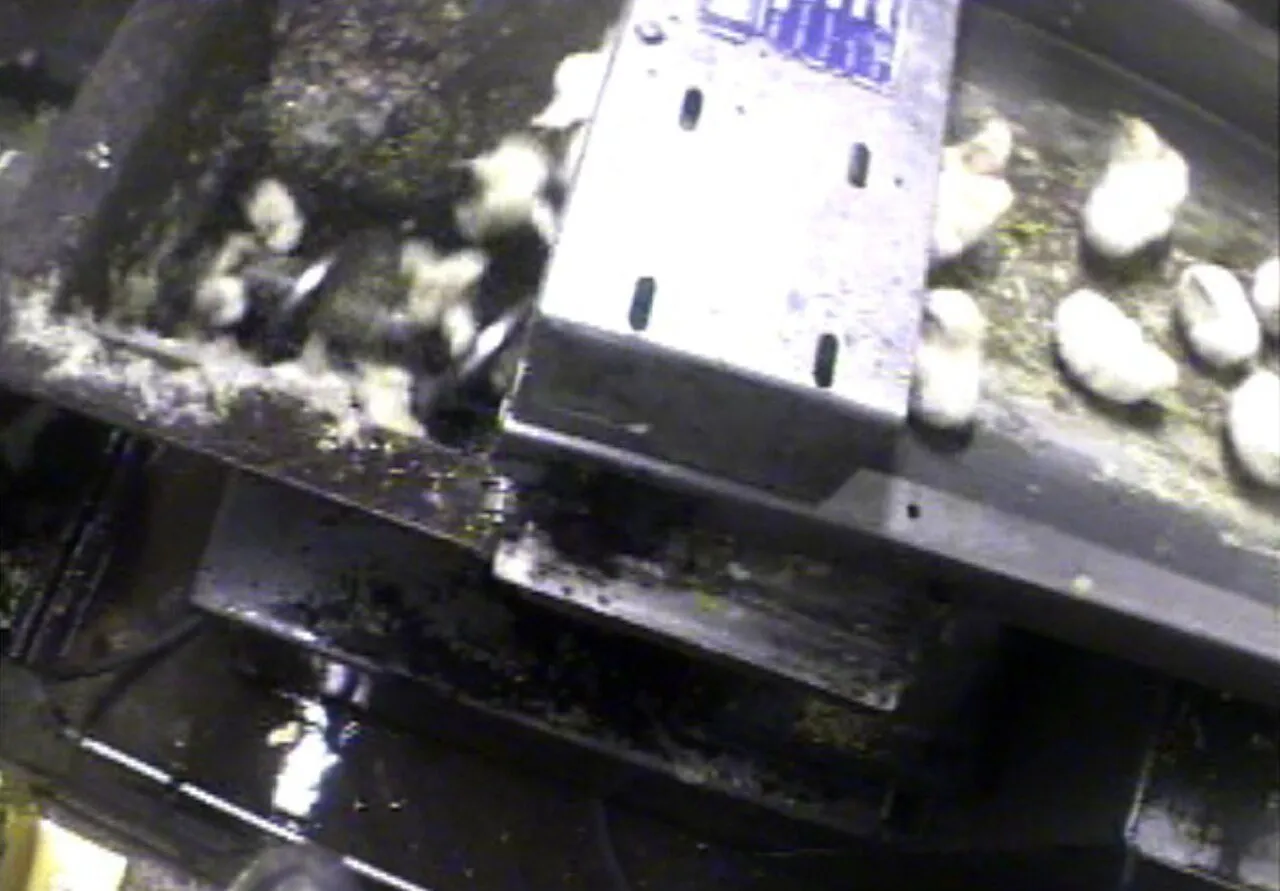
This photograph shows Day-old chick disposal.
1 Hatchery culling
Male Chick Macerator
Chicks with no commercial use in a laying line are killed at the hatchery, by maceration or controlled-atmosphere systems, within a day of hatching.
What this is
Chicks with no commercial use are killed at the hatchery on the day they hatch. Maceration destroys them mechanically while alive; other hatcheries use controlled-atmosphere systems.
Why the system uses it
Sex or breeding purpose decides which chicks are worth rearing. The rest are killed at the hatchery before they ever enter a production line.
What it costs the animal
Everything turns on handling and on whether the chick loses consciousness and dies at once. Overloaded machines, poor maintenance and incomplete killing mean that some do not, and the harm is severe.
Worth being precise about
Methods vary between hatcheries, and the outcome for the chick depends on whether death is immediate. The image on this entry is gated because the hatchery context is distressing.
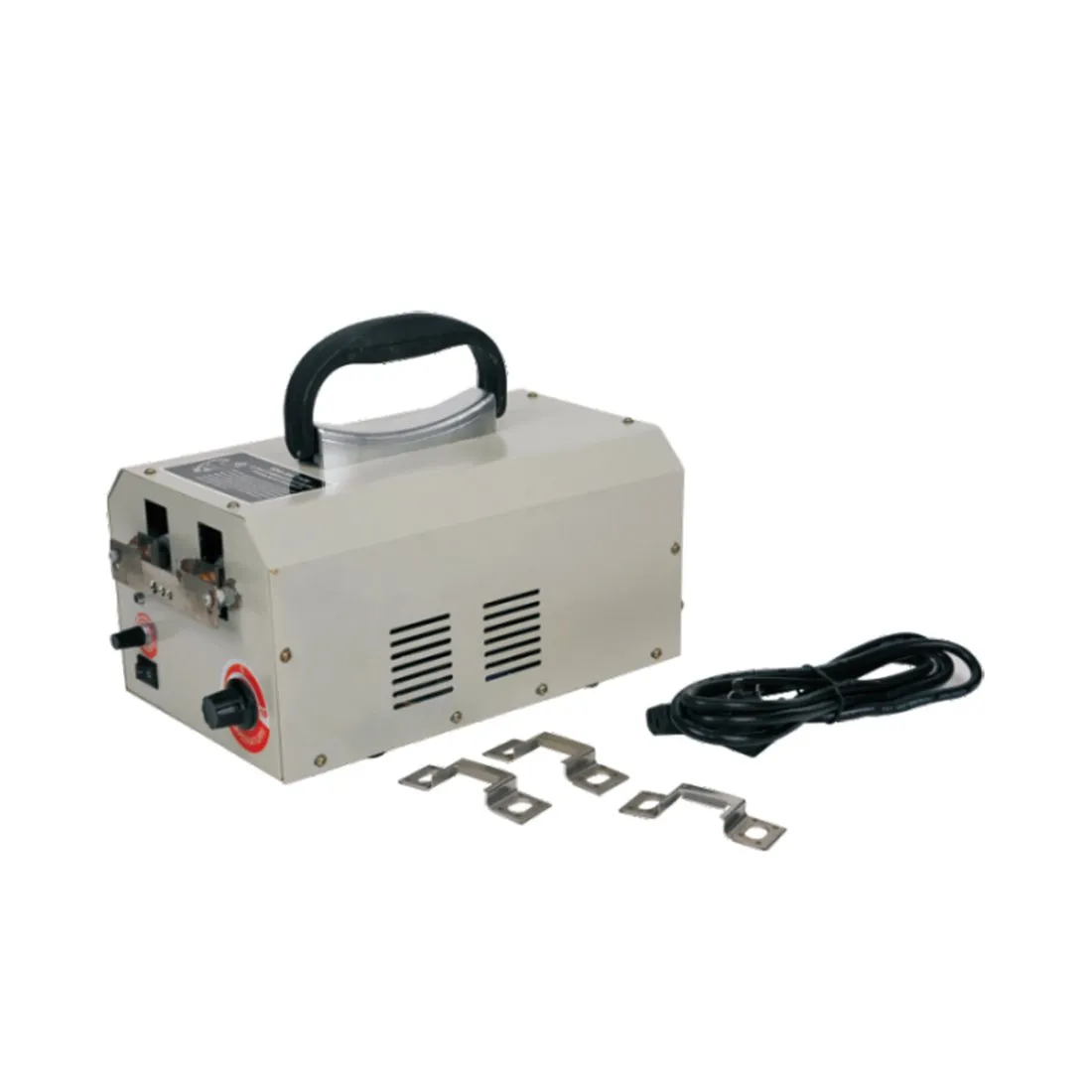
A blade, hot surface or infrared system removes or disables the tip of the beak, a sensory, nerve-rich organ, to limit injurious pecking in dense flocks.
What this is
A blade, hot surface, or infrared system removes or destroys the tip of a bird's beak, usually early in life.
Why the system uses it
Birds in dense commercial flocks peck and injure each other. Rather than change the density, the industry removes the part of the bird that does the damage.
What it costs the animal
The beak is a sensory organ full of nerves. Cutting it causes acute pain and disrupts feeding, and severe or inaccurate removal leaves the bird in chronic pain.
Worth being precise about
Injurious pecking is a real problem, and producers cite it for good reason. Genetics, lighting, stocking density, enrichment and flock management can reduce the risk that leads to the blade.
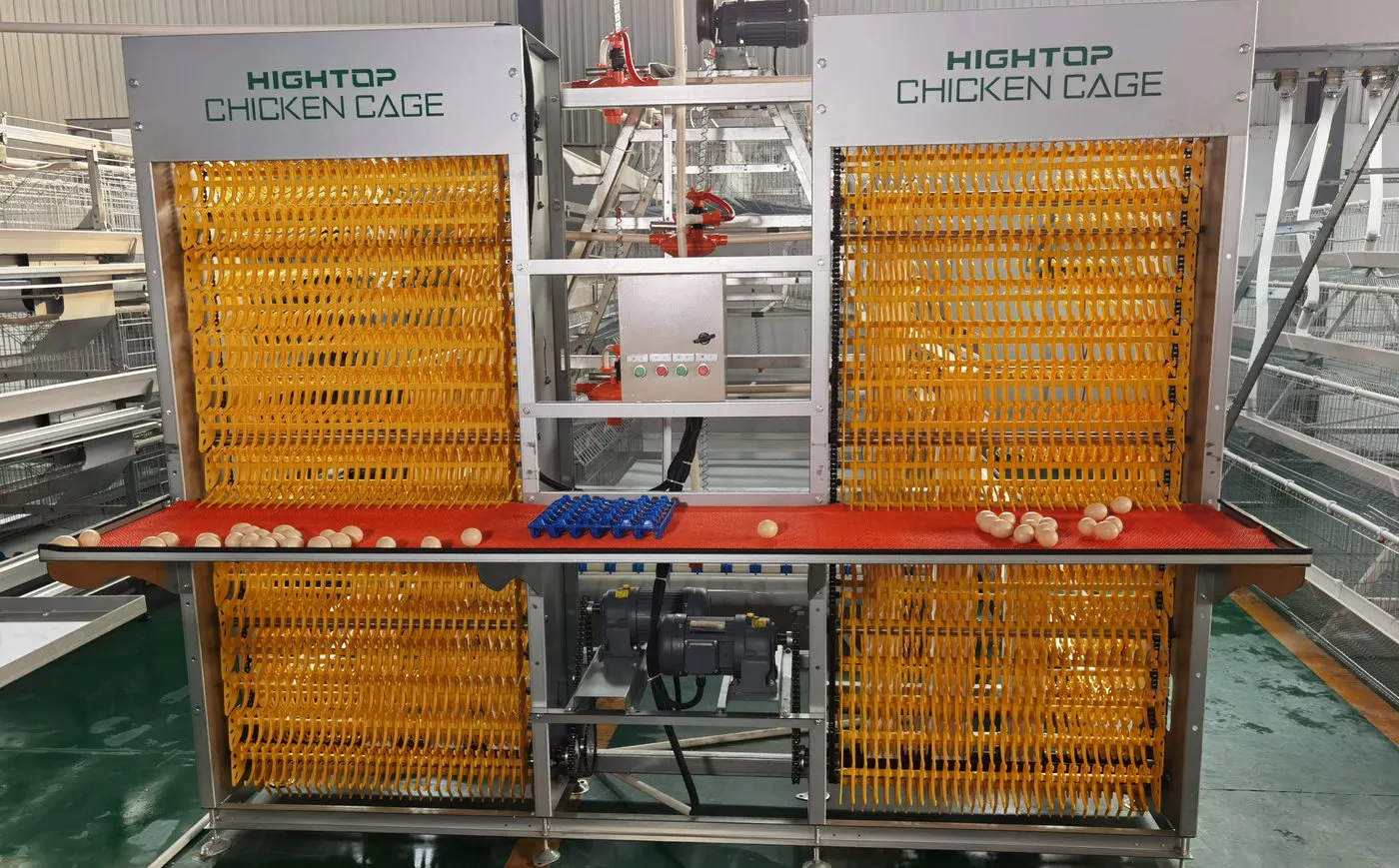
A wire enclosure sorts birds and eggs into the smallest workable space; walking, wing-flapping, nesting, perching, foraging and dust bathing do not fit inside it.
What this is
A bare wire enclosure holds laying hens in groups. It is built so feed reaches the birds, droppings fall away, and eggs are collected without anyone entering.
Why the system uses it
Wire cages keep the cost of an egg down: the manure separates itself, the eggs come out without handling, and the space each hen occupies is as small as the system allows.
What it costs the animal
A hen in a battery cage has no nest, no perch and no litter to forage or dust bathe in, and not enough room to spread her wings or take more than a step. Wire floors and near-total inactivity leave her prone to injury and weakened bones.
Worth being precise about
Cage design and legal standards differ between countries. Enriched systems add resources, but they still restrict space and behavioural choice.
You just walked through 3 stages behind one carton.
The hens that live are beak-trimmed and housed at densities that make walking, nesting, perching and dust-bathing impossible. They are killed at around 18 months, a fraction of the lifespan of a chicken.
Cage, barn, aviary, free-range and organic systems differ, and legal standards differ by country. A label on the box describes housing; it does not describe what happened at the hatchery or to the beak.